
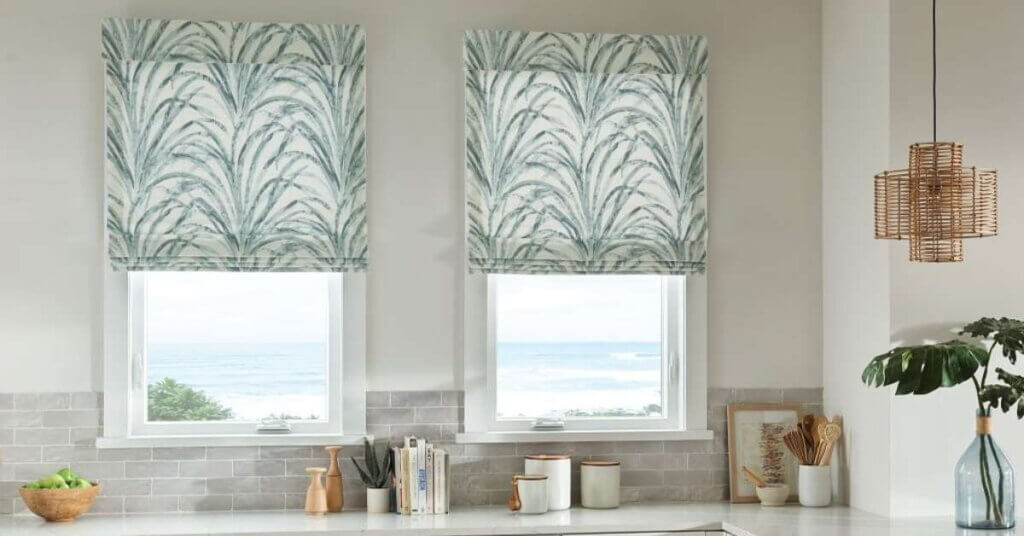
Roman shade styles offer one of the easiest ways to make a home feel warmer, softer, and more inviting. From flat and relaxed folds to tailored and European designs, each style delivers a different look while providing light control and privacy. The right fabric, fold, and lining can transform a room from stark and exposed to comfortable and layered. This guide explains the most popular Roman shade styles and helps you decide which one best fits your home and daily needs.
Why Roman Shades Create a Cozy Atmosphere
Roman shades combine the softness of drapery with the clean functionality of shades. Unlike blinds, they bring texture and fabric into the room, instantly warming up hard surfaces like glass, tile, and painted walls.
Homeowners often choose Roman shade styles to:
- Soften bright, cold-looking spaces
- Add warmth without heavy curtains
- Improve privacy in bedrooms and living areas
- Control glare without sacrificing style
The result is a tailored look that feels intentional and comfortable.
The Most Popular Roman Shade Styles
Each style folds differently when raised, which affects the overall appearance and how cozy the space feels.
Flat Roman Shades
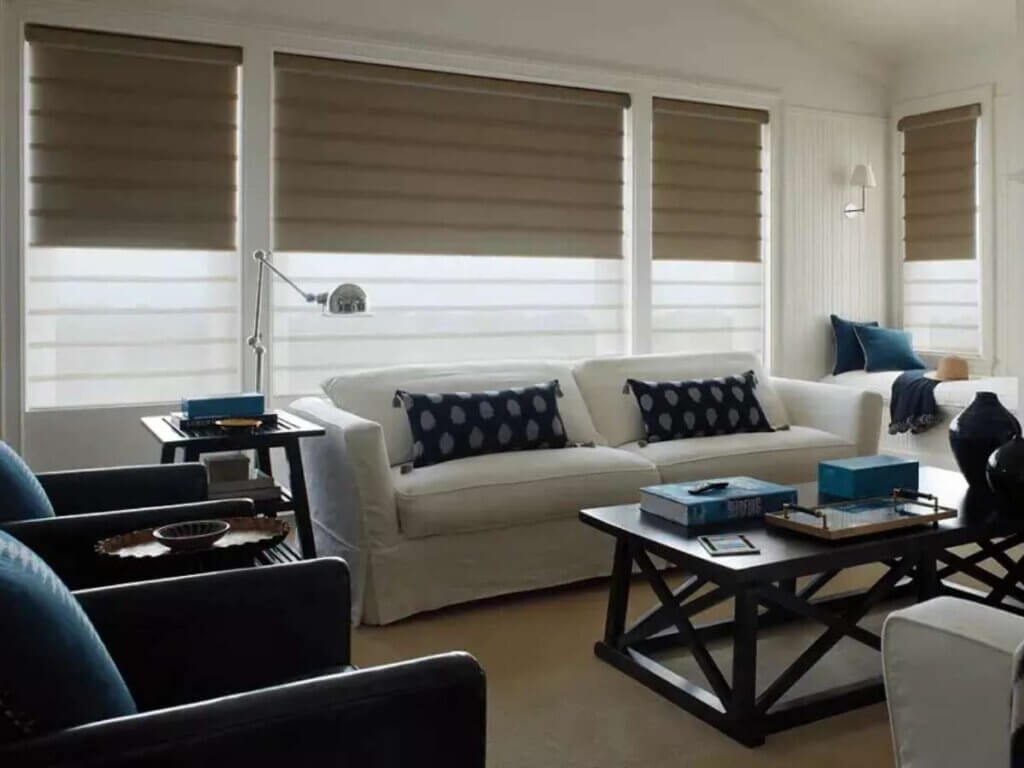
Flat Roman shades have a smooth, clean surface with no extra seams or horizontal folds.
Best for:
- Modern or transitional interiors
- Showcasing patterned fabrics
- Small rooms that need a streamlined look
This style keeps things simple while still adding softness.
Relaxed Roman Shades
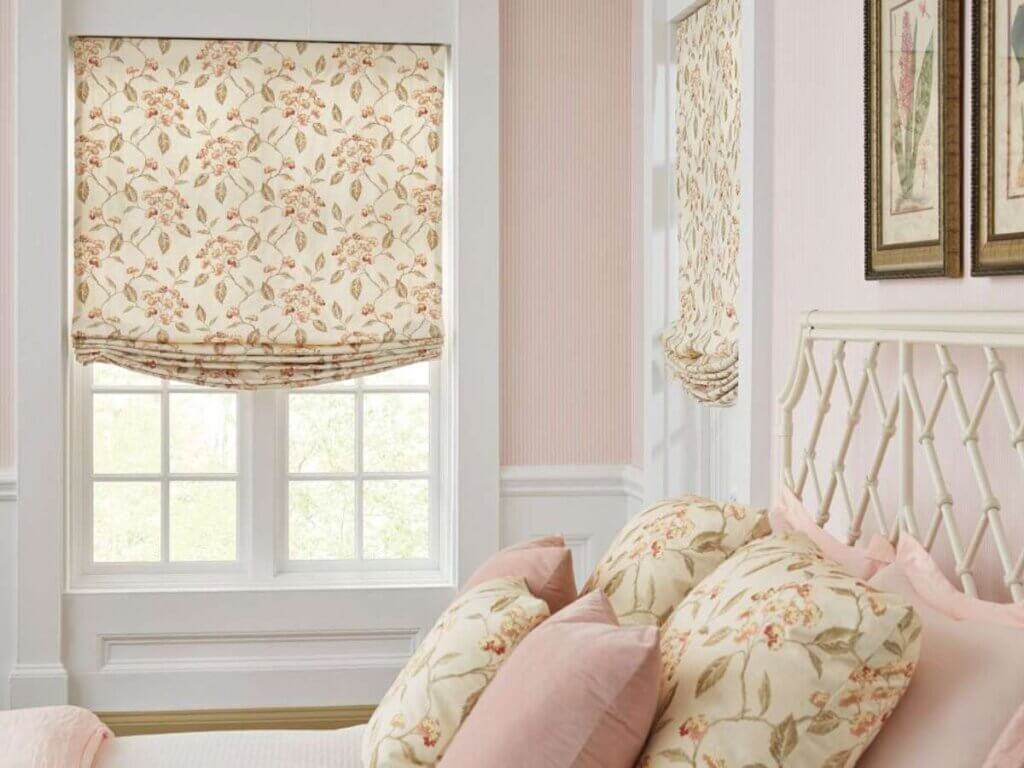
Relaxed Roman shade styles gently curve at the bottom, creating a casual, slightly draped appearance.
Best for:
- Farmhouse or cottage-inspired spaces
- Bedrooms
- Living rooms that need a softer touch
They create an effortless, welcoming feel that many homeowners love for cozy environments.
Hobbled (Soft Fold) Roman Shades
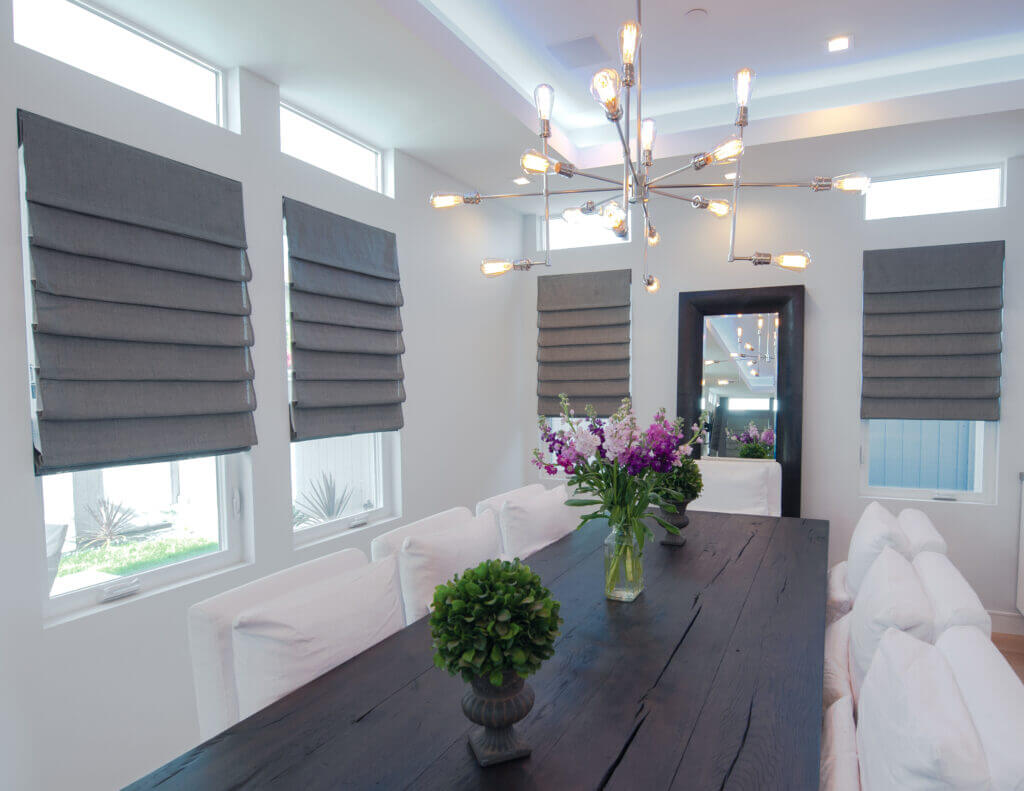
Hobbled Roman shades have cascading folds that remain visible even when lowered.
Best for:
- Traditional interiors
- Formal dining rooms
- Spaces that need dimension and fullness
The layered look adds visual depth, which makes the room feel warmer and more intimate.
Tailored (Knife Pleat) Roman Shades
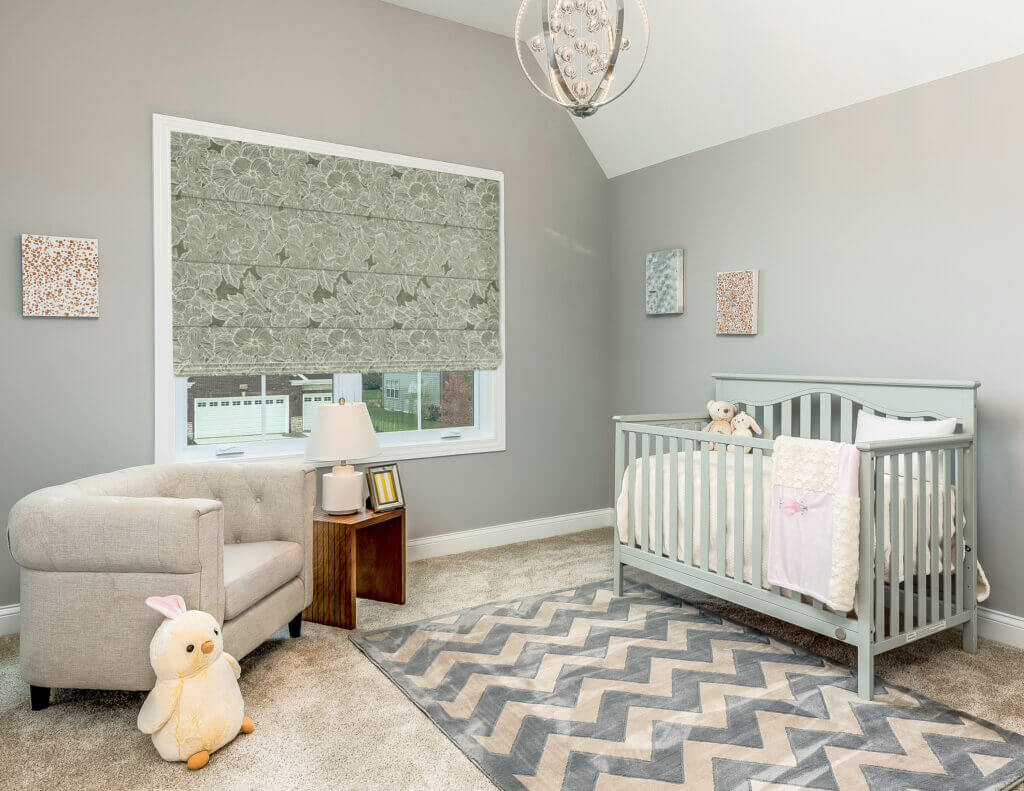
This style features stitched horizontal pleats that create a crisp, structured appearance.
Best for:
- Transitional spaces
- Home offices
- Rooms that balance softness with order
They offer coziness without looking overly casual.
Comparing Roman Shade Styles at a Glance
Roman Shade Style | Overall Look | Best Room Types | Cozy Factor |
Flat | Clean, modern | Kitchens, offices | Subtle warmth |
Relaxed | Soft, casual | Bedrooms, living rooms | High |
Hobbled | Full, layered | Dining rooms, formal spaces | Very high |
Tailored | Structured, crisp | Offices, transitional spaces | Moderate |
How to Choose the Right Roman Shade Style
Beyond the fold, consider these factors:
Fabric Weight
- Lightweight linens: Airy and soft
- Cotton blends: Balanced and versatile
- Heavier fabrics: More insulation and room darkening
Lining Options
- Light-filtering for gentle glow
- Blackout for bedrooms
- Thermal lining for added insulation
Functionality
Think about how often you’ll raise and lower the shade. Cordless and motorized options improve convenience and safety, especially in family homes.
Final Thoughts
Roman shade styles offer flexibility in both design and function. Whether you prefer the simplicity of a flat shade or the fullness of a hobbled design, the right choice adds warmth, texture, and privacy to your space.
A cozy home is not only about décor but also about how your windows make you feel at different times of day. Thoughtful fabric selection, proper lining, and professional measurement ensure the shades work as beautifully as they look.
If you are considering Roman shade styles for your home, MITS Eastern Shore can guide you through fabric options, measurements, and installation to ensure a tailored fit. Schedule a consultation to explore which style will bring comfort and character to your space.