
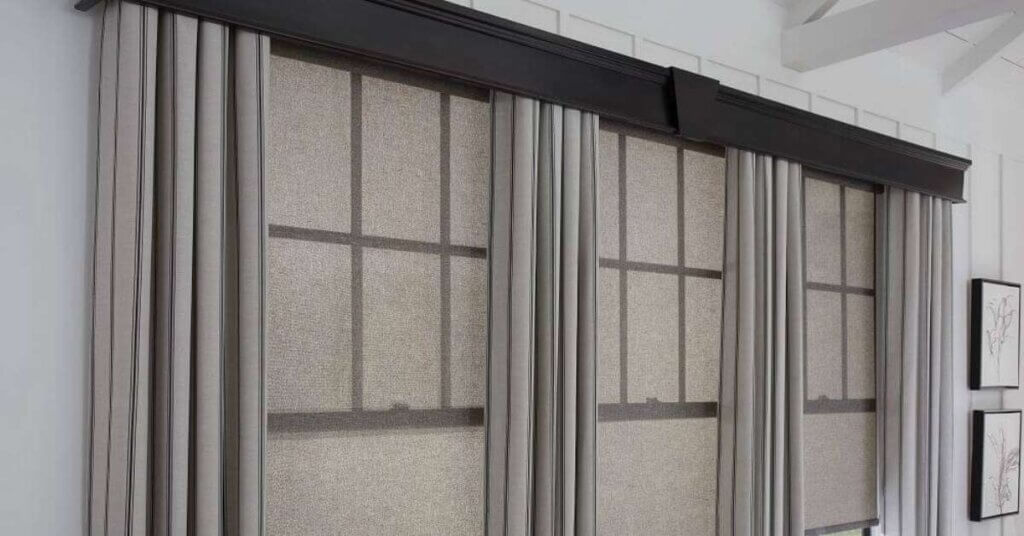
Choosing what fabric is best for drapery depends on how you want your room to look, feel, and function. The right drapery fabric can soften a space, improve privacy, support light control, and create a polished finish around your window. From casual linen and practical cotton to rich velvet, elegant silk, durable polyester, and blackout options, each material offers a different balance of style, opacity, maintenance, and performance.
Why Drapery Fabric Matters
Drapery is more than decorative fabric on a rod. It affects how light enters the room, how much privacy you have, and how finished your space feels. The wrong materials can hang poorly, fade quickly, or make a room feel heavier than intended.
The right textiles help you:
- Filter or block light
- Add softness and movement
- Improve privacy
- Frame windows beautifully
- Complement existing décor
- Create a custom, layered look
Best Fabric Options for Drapery
Linen: Relaxed and Airy
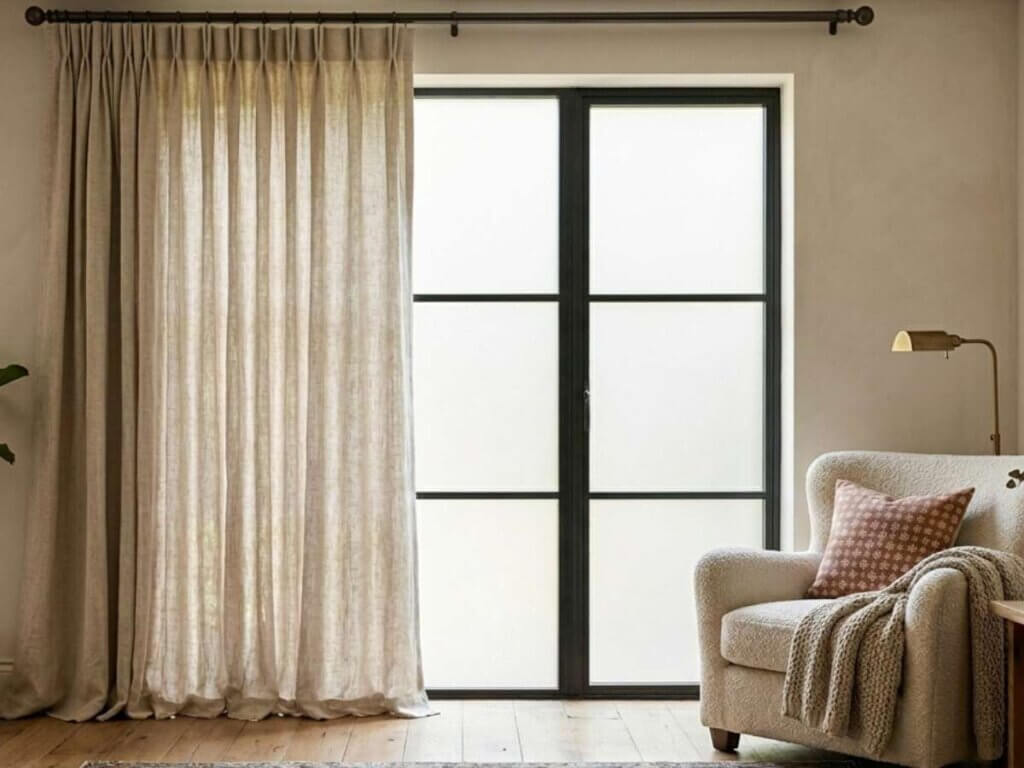
Linen is a favorite for casual, coastal, and transitional window styling. It has a natural texture and soft movement that works well in living rooms, dining rooms, and bedrooms.
Linen drapes often feel light and organic, but they may wrinkle more than synthetic fabrics. Adding lining can improve structure, privacy, and durability.
Cotton: Clean and Versatile
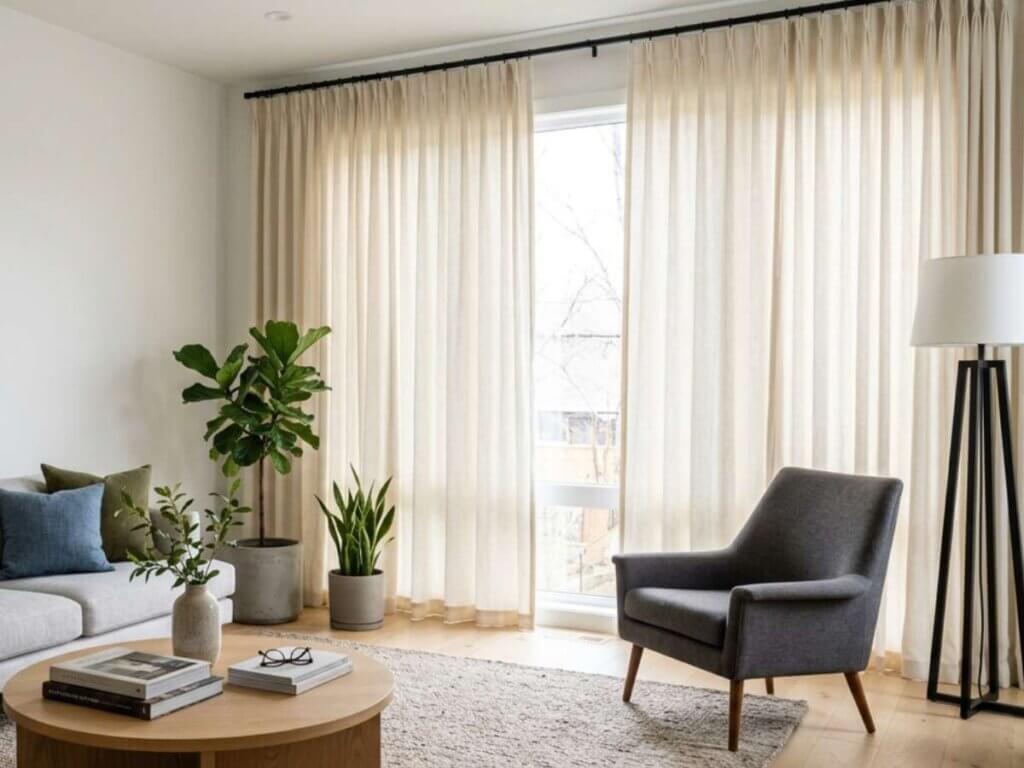
Cotton is a practical choice for homeowners who want a crisp, approachable look. It works well with different patterns, colors, and weave styles.
Cotton drapery can feel casual or tailored depending on the headers, pleats, and hardware selected. It is often easier to maintain than delicate fabrics, especially when blended with other fibers.
Velvet: Rich and Dramatic
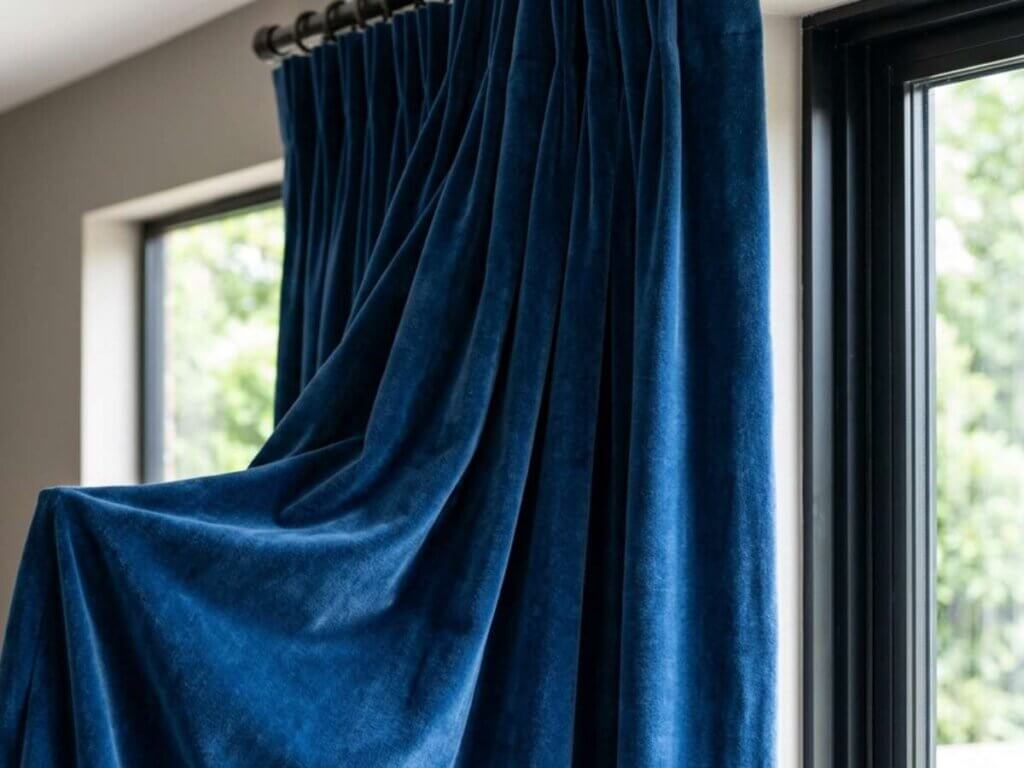
Velvet has a heavier weight and plush texture, making it ideal for formal spaces, bedrooms, or rooms where a more luxurious feel is desired. Because of its density, velvet can help with privacy, light control, and a sense of warmth.
Velvet panels need proper hanging support, so sturdy hardware and the right rod are important.
Silk: Elegant but Delicate
Silk brings a refined, upscale look to drapery treatments. Its natural sheen adds softness and sophistication, especially in formal interiors.
However, silk is more sensitive to sunlight and humidity. A quality lining is strongly recommended to help protect the fabric and improve longevity.
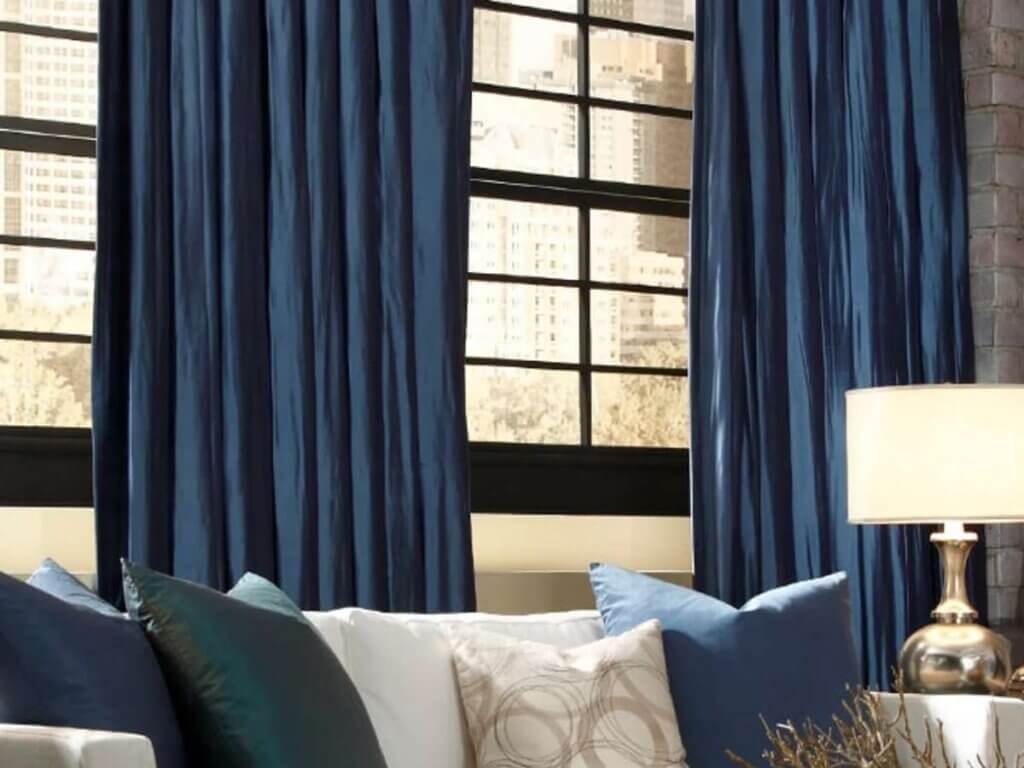
Polyester: Durable and Practical
Polyester is one of the most common drapery materials because it is durable, budget-conscious, and available in many colors, textures, and patterns. It resists wrinkling better than linen or cotton and works well for everyday spaces.
For busy households, polyester or polyester-blend drapes can offer a strong balance of style and easy maintenance.
If you want to know how different drapery colors influence your room’s energy, check this out.
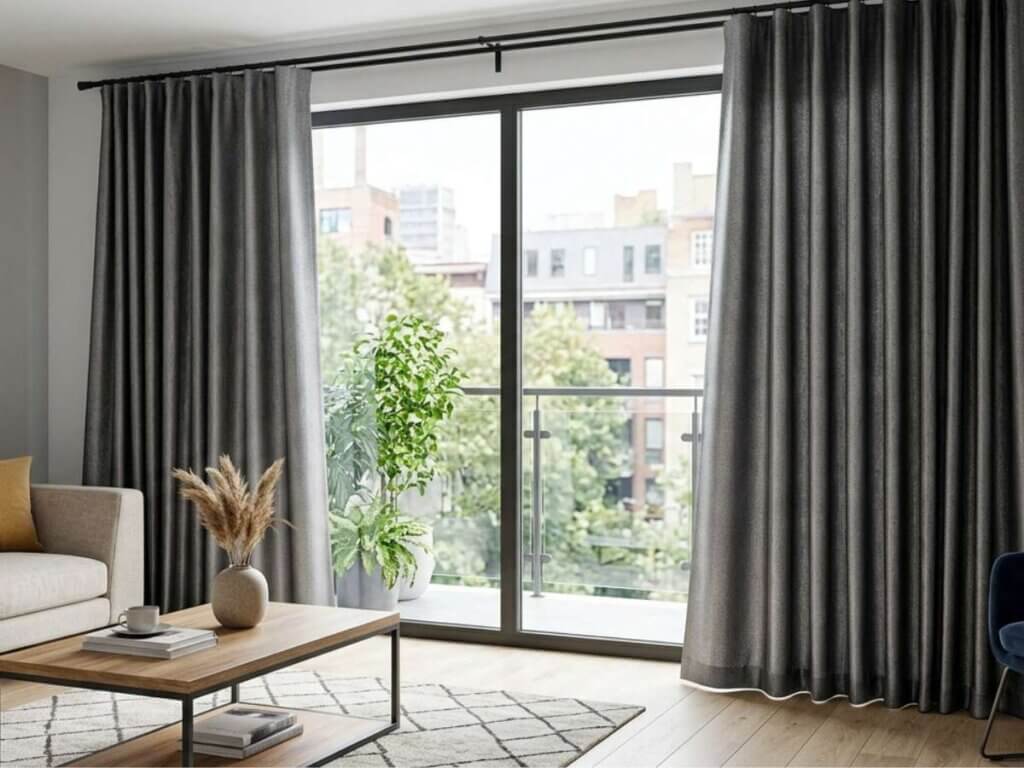
Blackout Fabrics: Best for Light Control
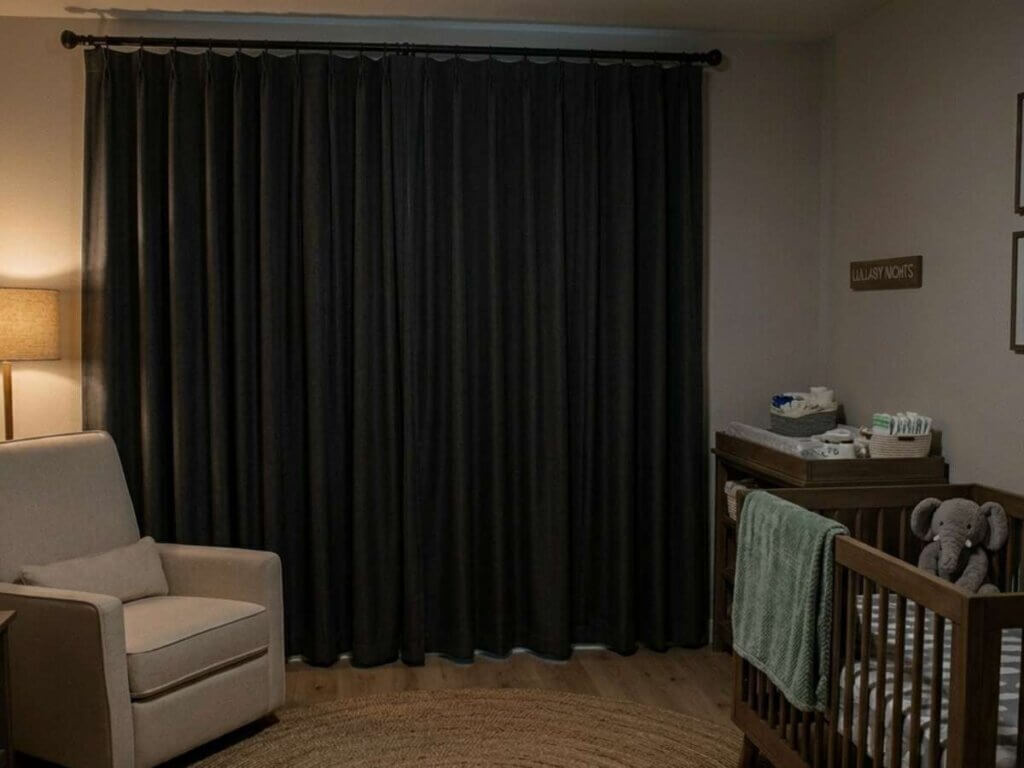
Blackout drapery is well-suited for bedrooms, nurseries, media rooms, or any space where room darkening matters. Some blackout drapes use tightly woven fabric, while others rely on a blackout lining.
These treatments can reduce glare, improve privacy, and create a calmer sleeping environment.
Drapery Fabric Comparison
Fabric | Best For | Look & Feel | Key Benefit |
Linen | Casual living spaces | Airy, textured | Natural movement |
Cotton | Everyday rooms | Crisp, versatile | Easy styling |
Velvet | Bedrooms, formal rooms | Plush, dramatic | Added privacy |
Silk | Elegant interiors | Soft sheen | Refined appearance |
Polyester | High-use spaces | Flexible, durable | Low maintenance |
Blackout | Bedrooms, media rooms | Varies by fabric | Strong light control |
Other Factors to Consider
Fabric Weight and Hanging Style
Fabric weight affects how drapes fall. Lightweight fabric creates a breezy look, while heavier materials create fuller folds and stronger visual framing.
Lining and Opacity
Opacity matters if you need privacy or glare control. Lining can make drapery more structured, protect the front fabric, and improve light management.
Pleats, Panels, and Headers
The final look depends on more than fabric. Pleats, panels, and headers determine how the drapes hang and how formal or relaxed they appear.
Hardware and Rod Placement
The right hardware helps drapes operate smoothly and supports the fabric properly. A wider rod placement can make windows feel larger and allow panels to stack neatly when open.
Frequently Asked Questions About Drapery Fabric
1. What fabric is best for drapery in sunny rooms?
Polyester blends, lined cotton, and lined linen are practical options for sunny rooms. A lining can help protect the front fabric and improve long-term performance.
2. Does blackout drapery look heavy or bulky?
Not always. With the right fabric, lining, pleats, and hardware, blackout drapes can still look tailored, soft, and polished.
3. Will linen drapery wrinkle easily?
Yes, linen naturally wrinkles more than some textiles, but many homeowners like its relaxed texture and casual, lived-in look.
4. Do heavier drapery fabrics need special hardware?
Often, yes. Heavier fabrics like velvet need sturdy rods, brackets, and properly installed hardware to support the weight and maintain smooth operation.
5. Can custom drapery help with unusual window sizes?
Yes. Custom drapery allows the fabric, panels, headers, pleats, and rod placement to be tailored to your window size, style, and room needs.
Choosing Drapery Fabric with Confidence
The best drapery fabric depends on your room’s purpose, lighting needs, design style, and maintenance preferences. Linen and cotton offer softness and versatility, velvet and silk bring a more refined look, polyester adds durability, and blackout materials provide stronger light control. By considering texture, weave, lining, opacity, hardware, and hanging style, you can choose drapery treatments that look beautiful and function well every day.
From soft neutrals to bold statement fabrics, the right drapery can bring warmth and personality to any room. Our team of professionals at MITS Eastern Shore can help you compare drapery fabrics, styles, and custom options for your home. Schedule a consultation today and discover window treatments that bring comfort, style, and a polished feel to your home while helping you fall in love with your space all over again.