
Cellular shades are one of the most versatile window treatments available today. Their signature honeycomb design helps soften harsh sunlight, reduce energy loss, and make your interiors feel more comfortable year-round. But with so many size options—small, medium, large, single cell, double cell—many homeowners aren’t quite sure which style is the best match for their home. When faced with windows of different sizes or rooms with unique lighting needs, the decision becomes even more important.
If you’ve ever wondered what size cell for cellular shades delivers the right look, efficiency, and performance, you’re in the right place. This guide breaks down everything you need to know to confidently choose the perfect cell size for each room in your home.
What Is the Difference Between Single, Double, and Triple Cell Shades?
Cellular shades are built with pockets—called “cells”—that trap air and help insulate your windows. The number of cells directly affects insulation, appearance, and overall performance.
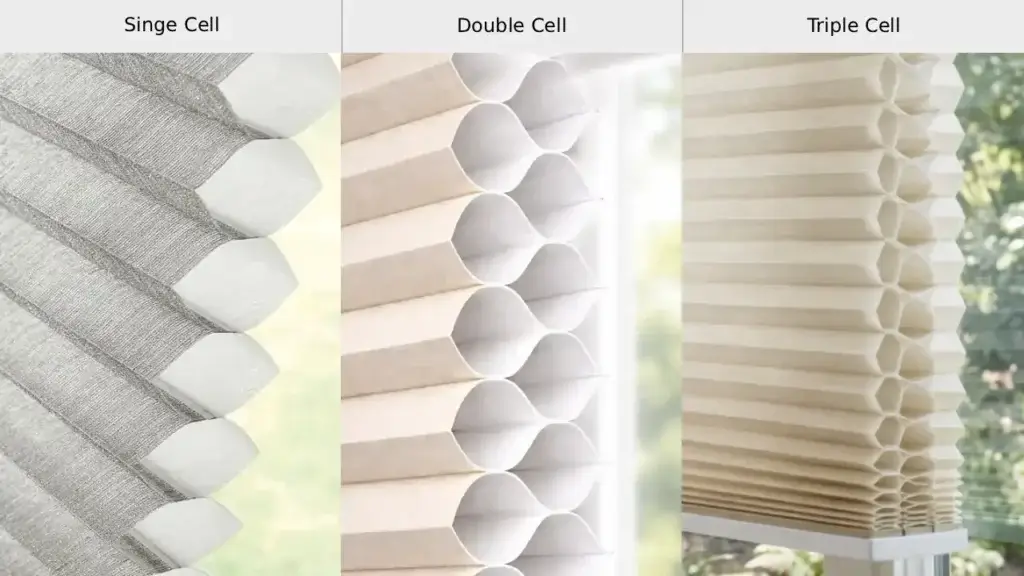
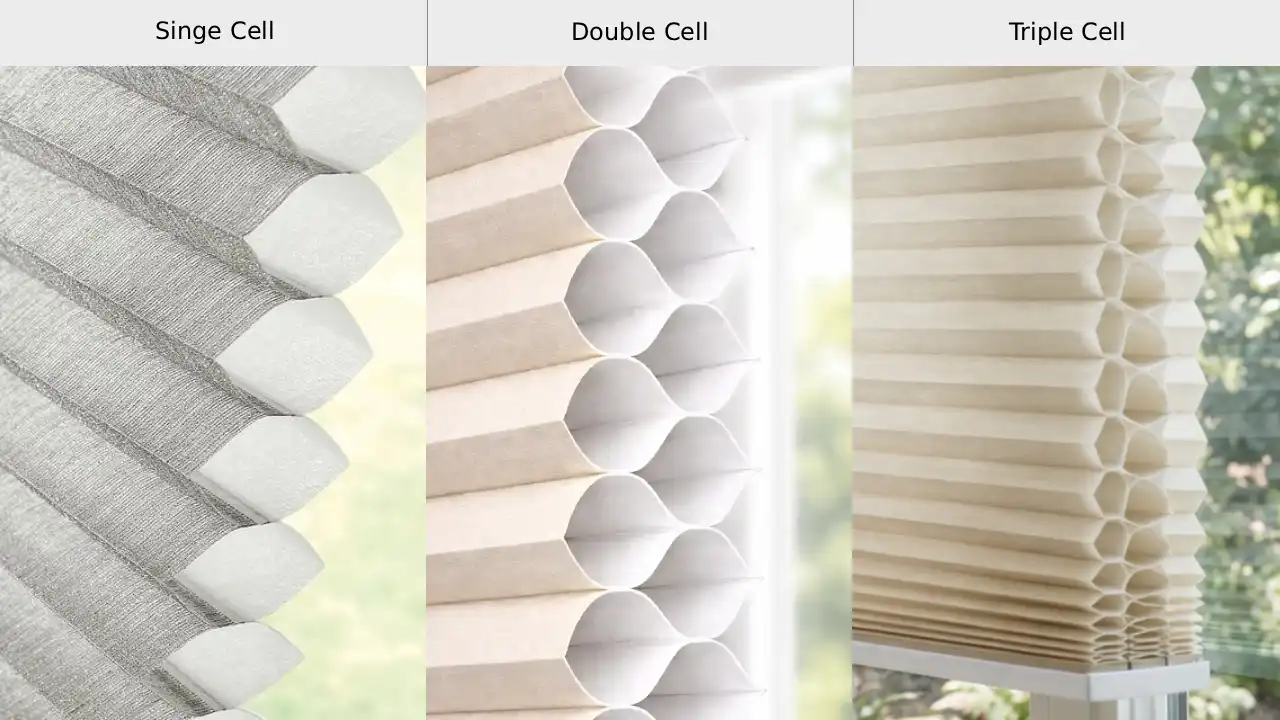
Single Cell Shades
Single-cell shades are made with one layer of honeycomb pockets. They offer:
- Clean, simple lines
- Excellent light control
- A more budget-friendly option
- A sleek look that works well in modern or minimalistic interiors
They are ideal for spaces that need temperature support—but not maximum insulation—such as living rooms, hallways, and dining areas.
Double Cell Shades
Double cell shades contain two layers of honeycomb pockets stacked together. This design:
- Improves insulation, especially in drafty rooms
- Helps maintain a more stable indoor temperature
- Reduces outside noise
- Works well for bedrooms or sitting rooms where comfort matters
If you live near the water or experience cold winters on the Maryland or Delaware coast, double cell shades provide noticeably better comfort.
Triple Cell Shades
Triple cell shades are far less common due to their thickness and higher cost. They provide the most insulation, but their added depth may not fit shallow frames. Homeowners usually choose them only for extremely cold spaces, such as four-season rooms or older homes with single-pane glass.
What Is the Standard Cell Size for Cellular Shades?
Cell sizes typically range from ⅜-inch to 1¼-inch, with ⅜-inch (small) and ¾-inch (medium) being the most widely used.
Here’s a quick breakdown:
- Small Cells (⅜-inch): Best for smaller windows or frames with limited depth. They create a crisp, compact look.
- Medium Cells (¾-inch): The most popular option because they balance aesthetics, function, and insulation. Medium cells fit most window styles and provide outstanding performance without looking bulky.
- Large Cells (1-inch to 1¼-inch): Ideal for oversized windows or sliding doors where scale matters. Large cells create a softer, more dramatic appearance.
While there are several sizes available, most homes benefit from medium cells because they work well across a variety of window types.
How to Choose a Cell Size That Looks Best in Large Windows
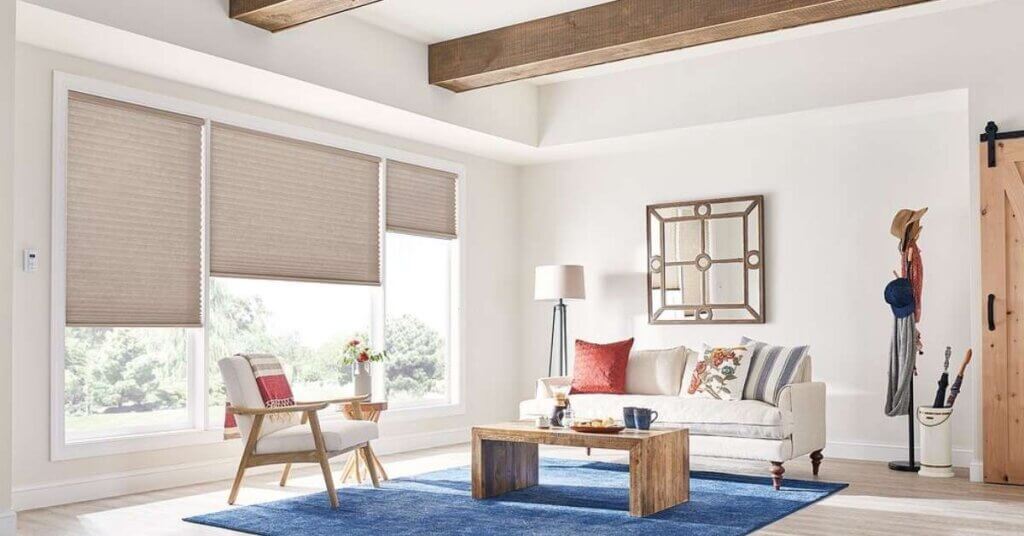
Large windows can be stunning, but they also let in considerable heat and glare. Choosing the right cell size helps maintain your view while improving comfort.
Why Larger Cell Shades Work Better on Big Windows
Larger cells visually complement the scale of your windows. They prevent the shade from looking “busy” or overly segmented. With wider open pockets, large cells also:
- Provide enhanced insulation for heat-prone rooms
- Offer a cleaner, more modern appearance
- Cover wide spans without extra bulk
When to Use Medium Cells on Large Windows
Medium cells still work beautifully on big windows if:
- You prefer a subtler, more polished look
- Your window frame depth is limited
- You want consistent sizing throughout the home
For many homeowners, using medium cells across all rooms creates a clean, uniform design.
Which Cell Size Offers the Best Energy Efficiency and Insulation?
Energy efficiency is one of the biggest reasons homeowners choose cellular shades. The size and number of cells directly affect how well your shades help regulate indoor temperatures.
Most Efficient: Double or Large Single Cells
- Double cell shades trap more air, making them perfect for drafty rooms or older homes.
- Large single cells also perform well because the bigger honeycomb pocket holds more air.
Moderate Efficiency: Small Single Cells
Small cells still insulate, but they do not trap as much air as larger pockets. They’re ideal for spaces where comfort is important, but insulation isn’t the top priority.
If your coastal home frequently deals with extreme summer heat or chilly winter drafts, choosing a shade with higher insulation can make a noticeable difference in both comfort and energy use.
Understanding Cell Depth: Will the Shade Fit Your Window Frame?

Even the most beautiful shade won’t perform its best if it doesn’t fit your window properly. Cell depth refers to the amount of space the shade occupies once installed in the frame.
How Cell Depth Affects Fit
- Shallow window frames may not accommodate large or double cell shades.
- Standard-depth frames typically fit medium and large cells with ease.
- Deep frames allow for maximum customization and any cell size.
If you’re renovating an older home or dealing with builder-grade frames, it’s easy to feel unsure about what will fit. That’s where professional measurement becomes important—ensuring the shade looks seamless and operates smoothly without sticking, rubbing, or appearing crowded in the frame.
Quick Reference Guide: Which Cell Size Is Right for Your Home?
Use this quick guide as a starting point:
Cell Size | Best For | Benefits |
⅜-inch (Small) | Small windows, narrow frames | Compact look, good insulation, great for bathrooms or hallways |
¾-inch (Medium) | Most window sizes | Balanced style, strong insulation, smooth operation |
1-inch or 1¼-inch (Large) | Large windows, sliding doors | Dramatic look, excellent coverage, improved insulation |
Double Cell (Any size) | Bedrooms, nurseries, energy-conscious homes | Superior insulation, noise reduction |
Triple Cell | Extremely cold spaces | Maximum insulation (limited fit) |
If you’re experiencing rooms that feel too warm, too cold, or inconsistent throughout the day, adjusting cell size can create noticeable comfort improvements.
FAQ about Cellular Shades’ Cell Size
Do cellular shades block more noise if I choose a larger cell size?
Are cordless cellular shades available in all cell sizes?
Will choosing a larger cell affect how the shade stacks at the top?
Yes. Larger cells tend to create a slightly taller stack when fully raised. If you want maximum visibility out of the window, medium cells typically create the smallest stack while still looking full and structured.
Create a More Comfortable Home with MITS Eastern Shore
Choosing the right cell size doesn’t have to feel overwhelming. Whether you’re dealing with uneven temperatures, too much glare, or windows that never seem easy to cover, the MITS Eastern Shore team can help you select cellular shades that truly fit your home and lifestyle.
Ready to explore the best options for your windows? Schedule your free in-home consultation today, and let’s create a space that feels beautiful, balanced, and comfortable year-round.