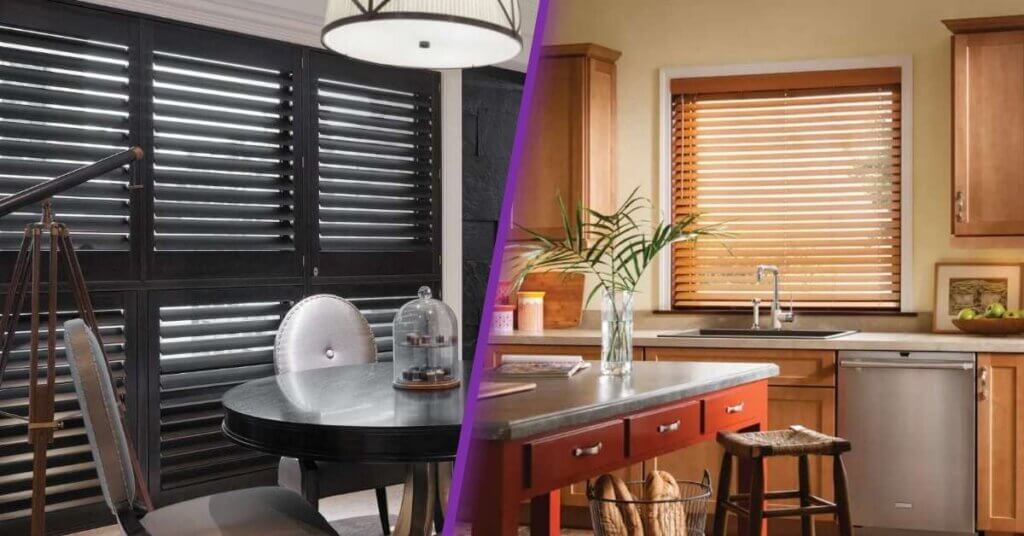
Choosing the right window treatment for your home can feel overwhelming with so many options available. Shutters and blinds are two of the most popular choices, and each has distinct advantages. Understanding the key differences between shutters and blinds will help you make an informed decision. This guide will highlight five essential factors to consider before making your choice, ensuring that your window treatments suit your home improvement goals and lifestyle.
TL;DR
Shutters and blinds offer varying benefits. Shutters excel in durability, insulation, and privacy. They last longer, provide better energy efficiency, and enhance home value. Blinds are more affordable, easier to install, and offer versatile light control. The right choice depends on factors like budget, style, and maintenance needs.
1. Durability and Lifespan
Durability plays a crucial role in choosing between shutters and blinds. Shutters are typically more durable than blinds, especially those made from premium materials like hardwood or composite. These materials stand the test of time, providing excellent longevity.
Shutters:
- Made from solid, durable materials such as wood, composite, or vinyl.
- Can last for decades with minimal wear, providing a long-term investment.
- Often come with warranties to ensure durability.
Blinds:
- Made from materials like aluminum, vinyl, or fabric, which may degrade over time.
- Typically need replacing every 5-10 years, depending on material and usage.
- Can show signs of wear, including broken slats or damaged cords, more quickly than shutters.
2. Light Control and Privacy
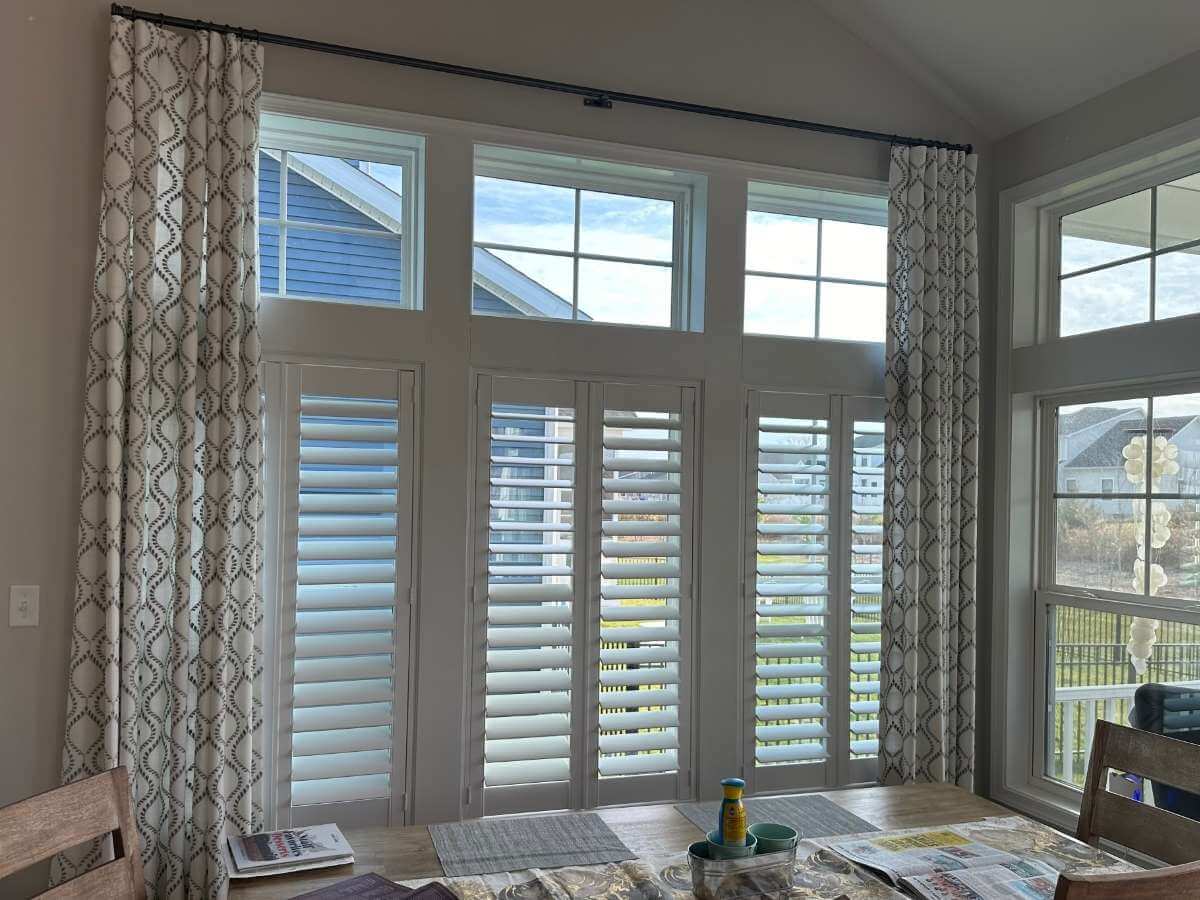
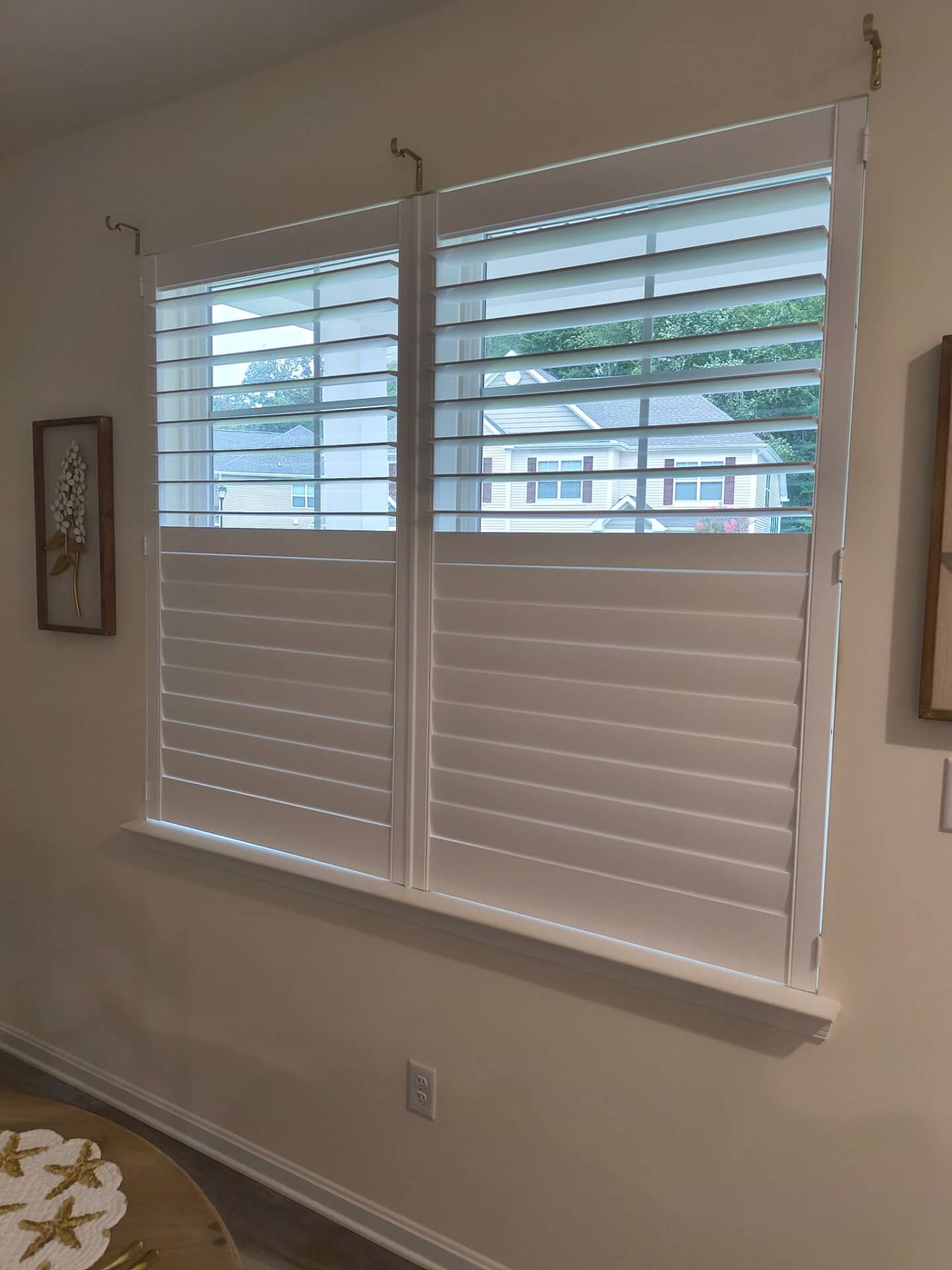
Both shutters and blinds offer light control, but shutters provide superior functionality, particularly when it comes to privacy and light blocking. Shutters’ solid panels allow for complete control, while blinds may not offer the same level of precision.
Shutters:
- Adjustable louvers allow precise control over light entry and privacy.
- Can fully block light and views for better privacy.
- Often better for managing light in rooms with specific needs, such as bedrooms or media rooms.
Blinds:
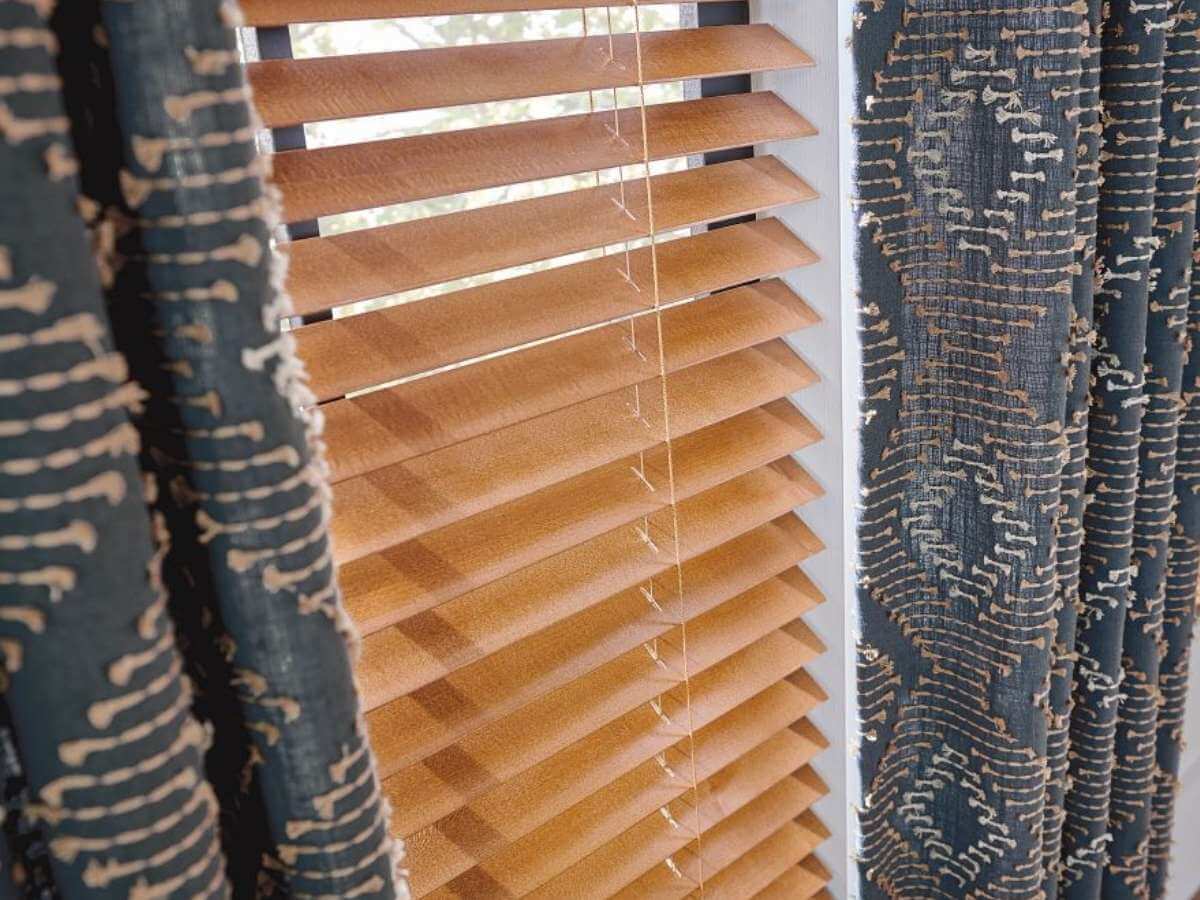
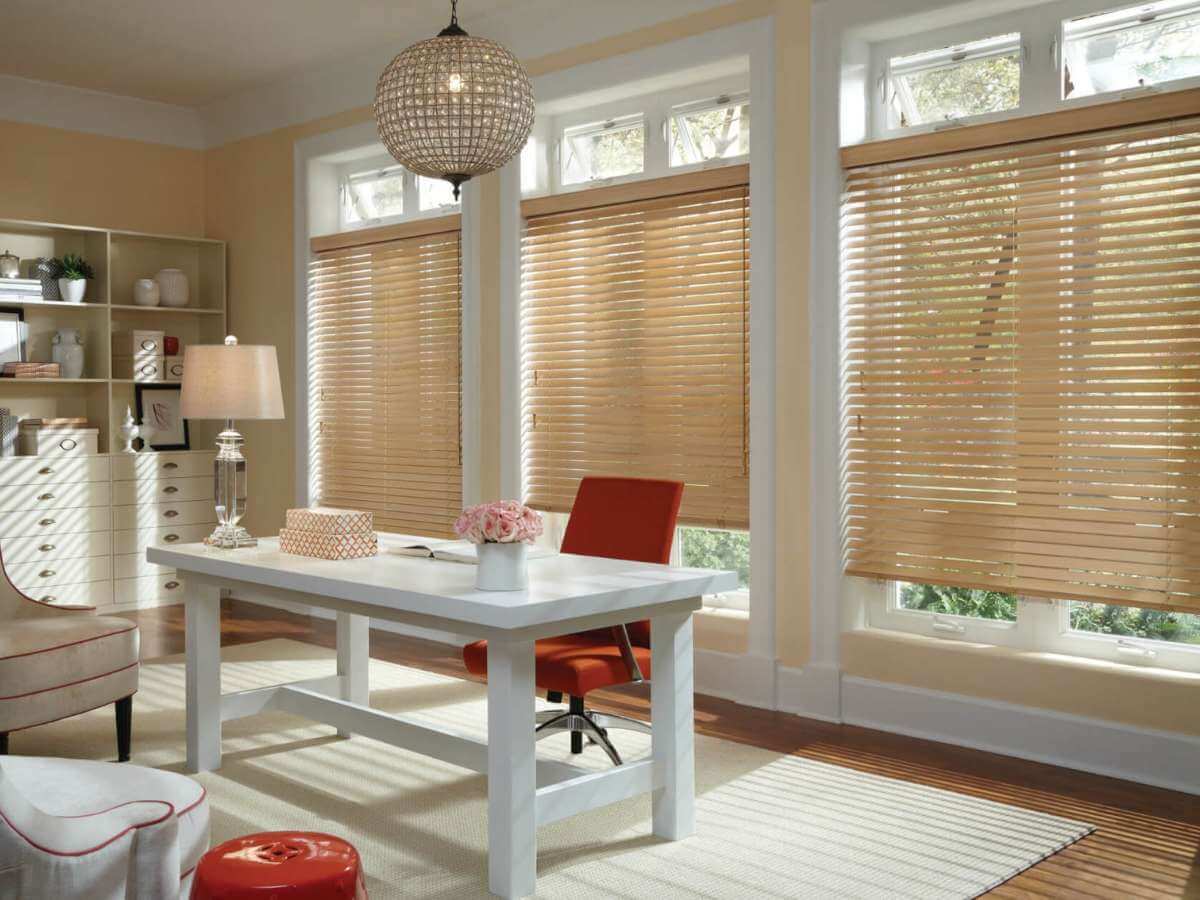
- Versatile in how much light they let in, depending on the type (e.g., Venetian or vertical).
- Some blinds, especially vertical and Venetian styles, can allow light to filter through when closed.
- May not provide full privacy when completely open, as slats are thinner.
3. Energy Efficiency and Insulation
Shutters generally outperform blinds in terms of energy efficiency. The solid materials used in shutters create better insulation, helping to regulate indoor temperatures. Blinds, while energy-efficient, often cannot match shutters in this area.
Shutters:
- Excellent insulation properties, which help reduce heating and cooling costs.
- Block drafts and provide a more stable indoor climate.
- Solid wood or composite materials contribute to better energy efficiency.
Blinds:
- Though they can help with light filtering, they typically don’t offer the same insulation as shutters.
- Can let heat or cold through more easily, leading to higher energy bills.
4. Maintenance and Cleaning
The upkeep of your window treatments will affect your decision. Shutters are typically low-maintenance, while blinds require more frequent cleaning, especially with slats that can trap dust and dirt.
Shutters:
- Easy to clean with a simple dusting or occasional wipe with a damp cloth.
- Less likely to accumulate dust or allergens, making them ideal for homes with allergies.
- Can last for years with minimal maintenance.
Blinds:
- Require more frequent cleaning, especially fabric or wood blinds that collect dust.
- Slats can be difficult to clean, and cleaning may require vacuuming or washing.
- Materials like faux wood or fabric need special care to avoid damage.
5. Cost Comparison
Cost often plays a key role in the decision-making process. Blinds are generally more budget-friendly than shutters, but shutters offer a long-term investment that can add to your home’s value.
Shutters:
- Higher initial cost, especially for custom options.
- Add significant value to the home, increasing curb appeal and overall home value.
- A longer lifespan makes them a better investment in the long run.
Blinds:
- More affordable upfront, with a wide range of price options.
- Less costly materials like vinyl or aluminum offer budget-friendly solutions.
- Easy to install, which can reduce labor costs if you’re handling the installation yourself.
Key Takeaways
- Durability: Shutters last longer and provide a more durable option compared to blinds.
- Light Control: Shutters offer superior control over light and privacy, especially with adjustable louvers.
- Energy Efficiency: Shutters provide better insulation and temperature regulation compared to most blinds.
- Maintenance: Shutters are easier to maintain, requiring less frequent cleaning than blinds.
- Cost: Blinds are more affordable but may need replacement sooner, whereas shutters are a long-term investment that adds value to your home.
Shutters vs. Blinds Comparison Table
Feature | Shutters | Blinds |
Durability | Long-lasting, especially with premium materials like wood or composite. | Typically need replacing every 5-10 years, depending on material. |
Lifespan | Can last decades with minimal maintenance. | Generally shorter lifespan, especially with cheaper materials. |
Light Control | Superior light control with adjustable louvers and full coverage. | Offers varying degrees of light control depending on the type (e.g., Venetian, vertical). |
Privacy | Provides better privacy, especially when fully closed. | May not fully block views, especially when opened. |
Energy Efficiency | Excellent insulation properties that help with temperature regulation. | Some blinds (e.g., cellular) provide insulation, but not as effective as shutters. |
Maintenance | Easy to clean with minimal upkeep. | Requires more frequent cleaning, especially for slats. |
Cost | Higher upfront cost, but a long-term investment. | More affordable, with a wide range of options. |
Aesthetic Impact | Adds luxury and timeless appeal to any space. | Available in various styles, but typically offers a more casual look. |
Installation | Requires professional installation for custom fit. | Easier to install; DIY-friendly for most styles. |
Frequently Asked Questions about Shutters and Blinds
1. Which window treatment is better for privacy?
Shutters provide superior privacy due to their solid panels and adjustable louvers, which allow for full coverage. Blinds may not offer the same level of complete privacy when fully opened.
2. How often should I clean shutters and blinds?
Shutters require minimal maintenance, typically needing just a dusting or occasional wipe. Blinds, however, require more frequent cleaning to keep dust, pet hair, and dirt from building up on the slats.
3. Are shutters more energy-efficient than blinds?
Yes, shutters provide better insulation, helping to keep your home’s temperature regulated, whereas blinds, although some can be energy-efficient, generally offer less insulation.
4. Can I install shutters and blinds myself?
Blinds are often easier to install and can be handled as a DIY project. Shutters, however, generally require professional installation to ensure a proper fit and long-term performance.
5. What’s the best window treatment for light control?
Shutters offer superior light control, with their adjustable louvers allowing for precise manipulation of light. Blinds also allow for light control, but their slats may not provide as fine-tuned adjustments.
Final Thoughts
Choosing between shutters vs. blinds depends on your priorities, whether it’s the durability and timeless style of shutters or the flexibility and cost-effectiveness of blinds. Shutters offer excellent long-term benefits in terms of durability, energy efficiency, and light control, while blinds provide flexibility at a lower upfront cost.
Ready to enhance your windows? Contact MITS Eastern Shore today for personalized recommendations and expert installation, ensuring your home gets the window treatments it deserves.