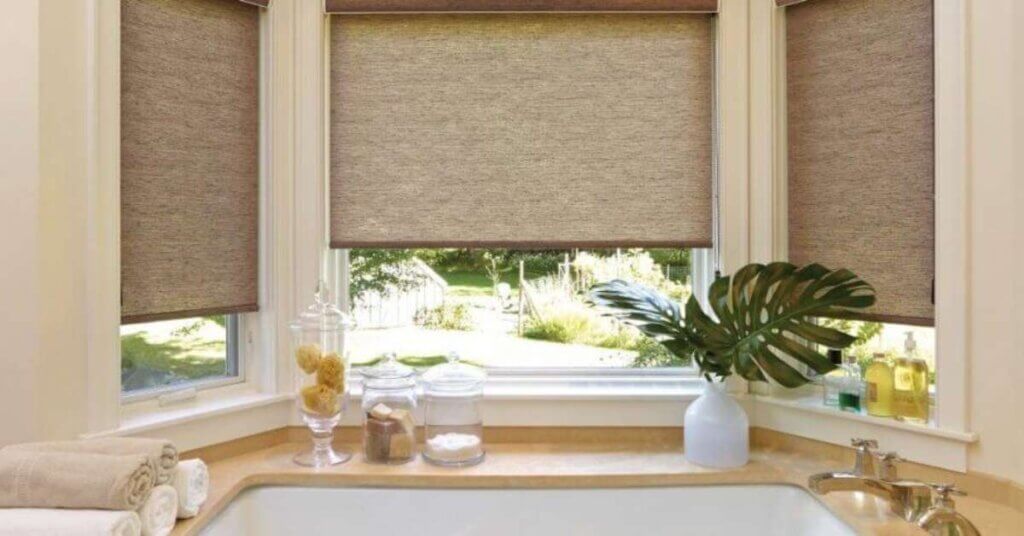
Motorized roller shades make it easier than ever to shape the color, texture, and light in your home. With their automated, electric operation and modern design, these shades bring convenience and style together—allowing you to fine-tune ambiance, enhance décor, and improve comfort with a single remote or smart command. In this guide, you’ll learn how to use motorized roller shades to control natural light, create visual harmony, and customize every room from the living area to the kitchen, bedroom, office, or dressing space.
Whether you’re refreshing a beachside condo in Fenwick Island or updating a family home near the Maryland and Delaware coastline, this step-by-step breakdown will help you choose the right fabrics, colors, textures, and lift systems for any space. You’ll also discover styling tips, common pitfalls to avoid, and professional insights from the window treatment industry. Let’s explore how these smart, automated shades can transform your home with ease.
Choosing Shade Colors for Coastal Living
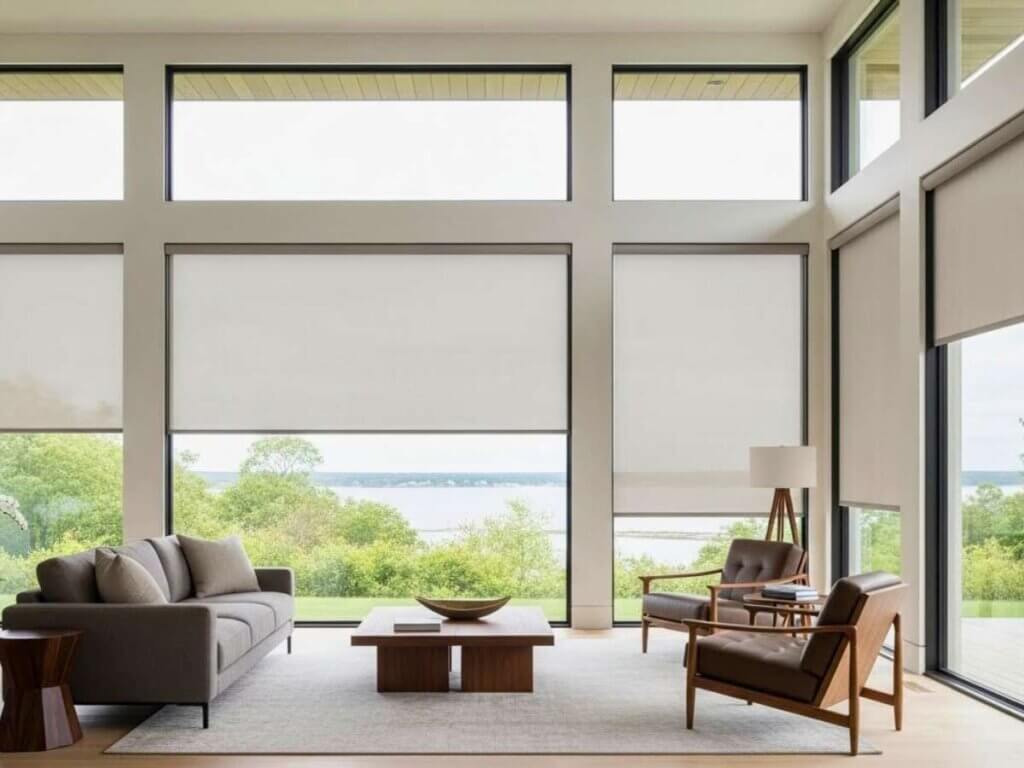
Match Colors to Room Mood
Color acts as the foundation of styling. For bright, energized spaces—like a sunlit kitchen—lighter tones create an airy, natural feel without overwhelming your décor. Bedrooms benefit from warmer neutrals or muted shades paired with blackout fabric to support deeper sleep. Offices and dressing rooms often work best with modern grays, taupes, or earth-inspired tones that balance concentration and calm.
Use Color to Manage Light
Color also affects how motorized roller shades filter or block sunlight. Light fabrics soften harsh daylight and create an ambient glow, while darker colors provide stronger UV control and better glare reduction for screens. If your Selbyville home faces strong afternoon sun off the water, consider dual layers: one filtering shade for daytime and one blackout shade for added control.
Blend or Contrast with Décor
Matching your shade color with wall tones creates a seamless, minimalist look. For more personality, choose a contrasting color that becomes an accent in the room. Either approach can work—the key is to ensure the hue complements your existing furniture, textures, hardware, and architectural details.
Selecting Fabrics and Textures That Enhance Style
Choose Textures That Add Depth
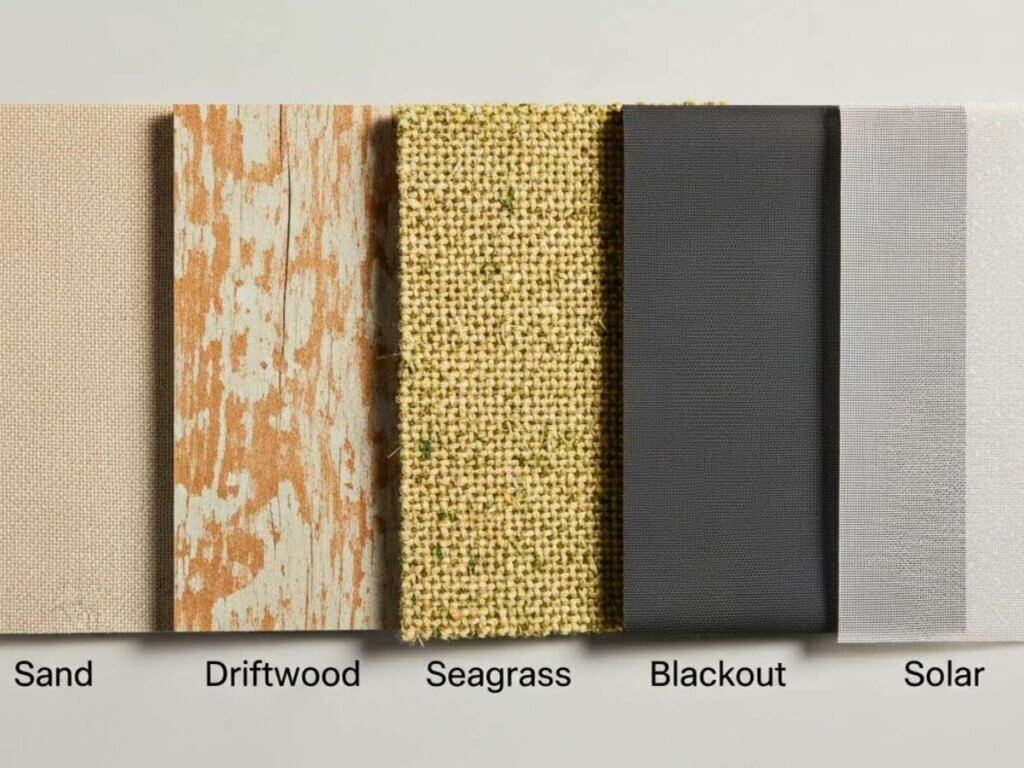
Smooth fabrics feel clean and modern, while woven or lightly textured materials introduce warmth and dimension. In beach homes, subtle textures echo natural elements—sand, driftwood, seagrass—without appearing heavy. Texture becomes especially useful in minimalist rooms where fabric serves as a softening design element.
Consider Material Performance
Roller shade fabrics vary in durability and filtering ability.
- Blackout materials are ideal for bedrooms or media rooms where complete darkness is important.
- Light-filtering fabrics allow natural illumination while softening glare.
- Solar fabrics provide UV protection and help manage heat—useful in living rooms, kitchens, or home offices exposed to intense sun.
Choose materials that balance style with energy benefits, especially for larger coastal windows.
Coordinate Texture with Surroundings
Coastal homes often feature natural materials—wood floors, woven accents, rattan furniture. A roller shade with a light, tactile weave pairs beautifully with these elements. For sleek, modern décor, a matte or smooth fabric is often more appropriate.
Shaping Light with Smart Controls

Set Automated Light Routines
Smart, motorized roller shades allow you to schedule openings and closings throughout the day.
- Open slightly at sunrise for gentle natural lighting.
- Lower mid-day to reduce UV exposure and energy strain.
- Close automatically at dusk for privacy.
These automated routines help regulate comfort without constant adjustment.
Use Remote and App Controls for Flexibility
Electric and automated shades can be controlled by remote, app, or smart home system. This flexibility lets you adjust lighting from anywhere—helpful if you’re away for the weekend or simply enjoying your deck and want to change the interior ambiance without going inside.
Combine Shades for Layered Lighting
Layering different opacities expands your control. Use a light-filtering roller shade for day use and add a secondary blackout shade for evenings. This combination works beautifully in bedrooms, nurseries, or media rooms where lighting needs to shift throughout the day.
Room-by-Room Styling Strategies
Living Rooms: Balance Comfort and Design
Living spaces near the beach often receive abundant sunlight. Light-filtering fabrics soften brightness while maintaining a natural, airy feel. Choose colors that complement your décor—soft sand tones, whites, or misty blues work well in coastal environments.
Bedrooms: Create Restful Ambiance
Blackout motorized roller shades support deeper, uninterrupted rest. Pair them with warm, neutral colors and comfortable textures. Automated routines ensure a dark room at bedtime and a gentle wake-up at your preferred hour.
Kitchens: Prioritize Cleanability
Kitchens benefit from durable, wipeable fabrics. Choose materials that resist moisture and heat yet still provide filtering options to manage glare while cooking or gathering.
Home Offices: Reduce Screen Glare
Solar or light-filtering fabrics help maintain visibility on screens without darkening the room. Colors in the gray or taupe spectrum usually complement office décor and support focus.
Dressing Rooms: Enhance Natural Visibility
Soft-filtering shades allow enough daylight for selecting outfits while still maintaining privacy. Choose fabrics with smooth textures to create a polished, modern aesthetic.
How to Style Motorized Roller Shades: A Step-by-Step Guide
1. Identify Your Primary Lighting Needs
Decide whether the space requires blackout control, ambient filtering, UV protection, or glare reduction. This determines the fabric category.
2. Select the Right Material Type
Choose between blackout, filtering, solar, or combination fabrics based on how the room is used throughout the day.
3. Determine Your Color Direction
Match your existing palette or create a contrasting accent. Prioritize hues that enhance natural light and blend with surrounding décor.
4. Evaluate Texture for Visual Impact
Pick smooth textures for modern spaces or subtle weaves for warmer, natural aesthetics that suit coastal homes.
5. Plan Smart Control Preferences
Decide whether you want remote, app-based, or integrated smart-home operation. Set routines that align with your daily rhythm.
6. Measure for Custom Fit
Proper sizing ensures clean lines and smooth operation. A custom approach eliminates gaps and enhances energy performance.
7. Consider Dual-Shade Systems
If your windows have multiple needs—such as privacy at night and daylight filtering—double rollers provide the most flexibility.
FAQs About Motorized Roller Shades
Q1. Are motorized roller shades worth the upgrade?
Yes—motorized roller shades provide convenience, consistent light control, and safer operation with no cords. They also extend the lifespan of the shades because the electric mechanism ensures smooth, even movement. Homeowners in coastal areas often appreciate the ability to adjust shades remotely when the sun shifts dramatically throughout the day.
Q2. Can motorized roller shades improve energy efficiency?
They can help manage heat gain and loss by adjusting automatically based on sunlight. Light-filtering and solar fabrics reduce UV exposure, which can protect furnishings and maintain comfortable temperatures. When paired with automation, these shades support more efficient cooling in the summer and insulation during colder months.
Q3. What décor styles pair best with roller shades?
Motorized roller shades work well in modern, minimalist, coastal, and transitional spaces. Their clean lines and customizable materials make them adaptable to nearly any room. Textured, natural fabrics complement beach-inspired décor, while smooth, matte materials fit sleek, contemporary designs.
Bring Style and Comfort to Your Home
Ready to shape color, texture, and light in your home with custom motorized roller shades? Schedule a consultation with MITS Eastern Shore and explore fabrics, smart controls, and personalized design options tailored to Maryland and Delaware’s coastal lifestyle.