
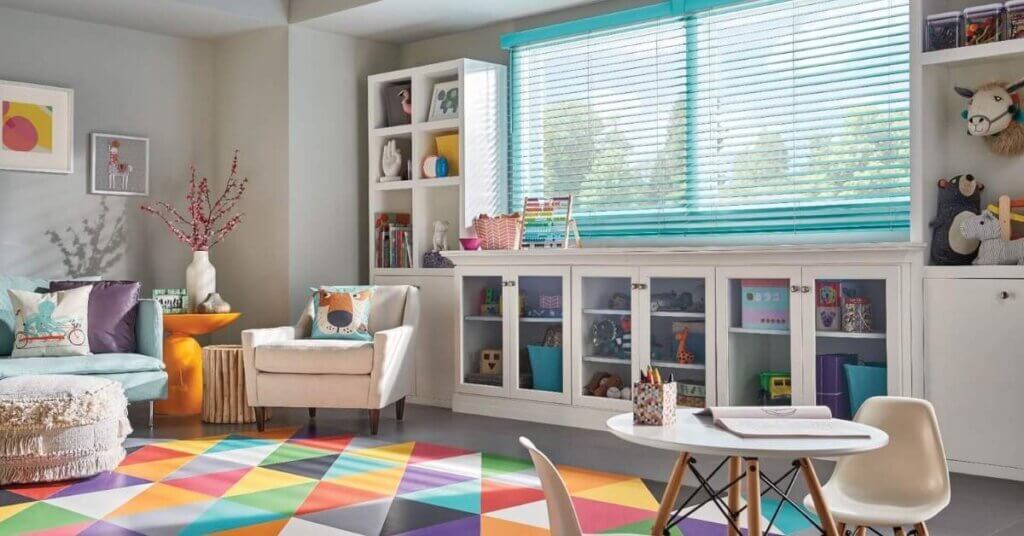
Creating a home that feels balanced, layered, and visually intentional starts with the details—and matching wood blinds with furniture is one of the most impactful design choices you can make. Wood blinds add warmth, texture, and natural character to any room, but the real magic happens when they complement your flooring and décor. With the right coordination, your window treatments support a cohesive design flow that feels refined rather than rushed.
Whether you’re updating a coastal getaway in Fenwick Island or refreshing your year-round home near the Delaware and Maryland beaches, this guide walks you through how to match wood tones, analyze undertones, and build depth through thoughtful interior design.
Why Matching Matters in Interior Design
Wood blinds are more than a functional window treatment—they anchor your home’s visual rhythm. When coordinated with flooring and furniture, they:
- Strengthen your color palette
- Add depth and dimension
- Improve the balance of textures
- Support a cohesive, pulled-together look
The goal is harmony—not perfect uniformity. A blend of complementary tones and patterns creates a richer room design.
Understanding Wood Tones and Undertones

Before matching anything, you need to identify what you’re working with.
Warm vs. Cool Undertones
Wood blinds, flooring, and furniture usually fall into warm, cool, or neutral categories.
- Warm undertones: golden oak, honey, walnut, cherry
- Cool undertones: ash, driftwood, gray-brown
- Neutral undertones: pine, light maple, some natural woods
Match warm with warm and cool with cool for the easiest coordination. If your tones clash, the room can feel visually “off,” even if every piece is beautiful on its own.
Grain Pattern & Visual Weight
Natural wood has personality. Some pieces feel light and airy, while others carry more visual weight.
- Bold grain = stronger statement
- Subtle grain = softer feel
When matching wood blinds with furniture, keep visual balance in mind. If your flooring has heavy movement, choose blinds with a calmer grain pattern to avoid a busy look in the room.
How to Match Wood Blinds with Flooring
Your flooring sets the foundation for every design choice. Wood blinds should support that foundation, not compete with it.
Option 1: Choose a Coordinating Stain Color
Match the stain color within two to three shades of the floor. Close coordination keeps the room grounded and unified.
Option 2: Create Contrast with Intention
Contrast is effective when used intentionally. For example:
- Light hardwood floors and medium- to dark-wood blinds = richer depth
- Dark flooring + mid-tone blinds = softer visual transitions
Avoid extremes, like pure black blinds against very pale floors—unless you’re specifically aiming for dramatic contrast.
Option 3: Follow the Existing Color Palette
Look beyond wood tones. Notice the dominant hues in your space—whites, creams, grays, or tans. Choose blinds that complement the overall palette to make the room feel seamless.
How to Match Wood Blinds with Furniture
Furniture has its own wood tones and undertones, which can influence how your blinds appear.
Match the Largest Furniture Pieces First
Focus on items that draw the eye:
- Dining tables
- Bedroom sets
- Media consoles
- Large hutches or storage pieces
If these items have medium-toned wood, your blinds can mirror that or slightly contrast it for added depth.
Let Accent Furniture Guide Secondary Choices
Coffee tables, side tables, and shelving often feature lighter or varied tones. These smaller pieces help you determine whether to go with richer or softer blinds.
Use Texture for Subtle Coordination
Texture plays a major role in design. Wood blinds with natural-looking finishes blend beautifully with coastal, rustic, or transitional furniture. Smooth finishes pair well with modern or minimal décor.
How to Layer Wood Blinds into Your Room Design
Layering is a key part of interior design, especially in homes where natural light and warmth matter.
Light Filtering and Tone Balance
Wood blinds allow you to filter light gently while maintaining privacy. When natural light hits the slats, the warmth of the wood tone becomes more noticeable. Choose a tone that enhances the mood you want—bright and airy, or warm and cozy.
Add Depth Through Complementary Elements
You can build depth by adding coordinating elements like:
- Natural wood picture frames
- Rustic or coastal décor pieces
- Warm-toned flooring transitions
- Textured wall art
These subtle details help tie your wood blinds into the rest of your design.
Checklist: Matching Wood Blinds with Flooring & Furniture

Use this quick-reference checklist during the selection process:
- Identify your flooring undertone (warm, cool, neutral)
- Match blinds within two to three shades of your floor—or choose intentional contrast
- Compare grain patterns for balance (busy + calm)
- Coordinate with your largest furniture pieces first
- Stick to a consistent color palette
- Use natural wood textures to add warmth and depth
- Ensure all wood tones feel harmonious when viewed together
FAQs About Matching Wood Blinds with Furniture
Should my wood blinds match my flooring exactly?
Not necessarily. A perfect match isn’t required—in fact, it can look too uniform. Matching within a few shades is usually enough to maintain harmony. It’s more important to match undertones and overall warmth than to focus on an exact color match.
What if my furniture and flooring have different undertones?
Can wood blinds work well with non-wood furniture?
Bringing It All Together: A Natural, Balanced Finish
Matching wood blinds to flooring and furniture is one of the simplest ways to add depth, warmth, and cohesion to your home. Thoughtful coordination ensures your window treatments support your room’s style rather than compete with it. From understanding undertones to balancing grain patterns, each choice adds to a polished, intentional feel.
If you want guidance choosing the right wood blinds for your home, Made in the Shade Eastern Shore is here to help. Our team brings expert insight and a complete mobile showroom directly to your home so you can compare real wood tones with your flooring and furniture.
Ready to design with depth? Schedule your free consultation today and bring your vision to life.