
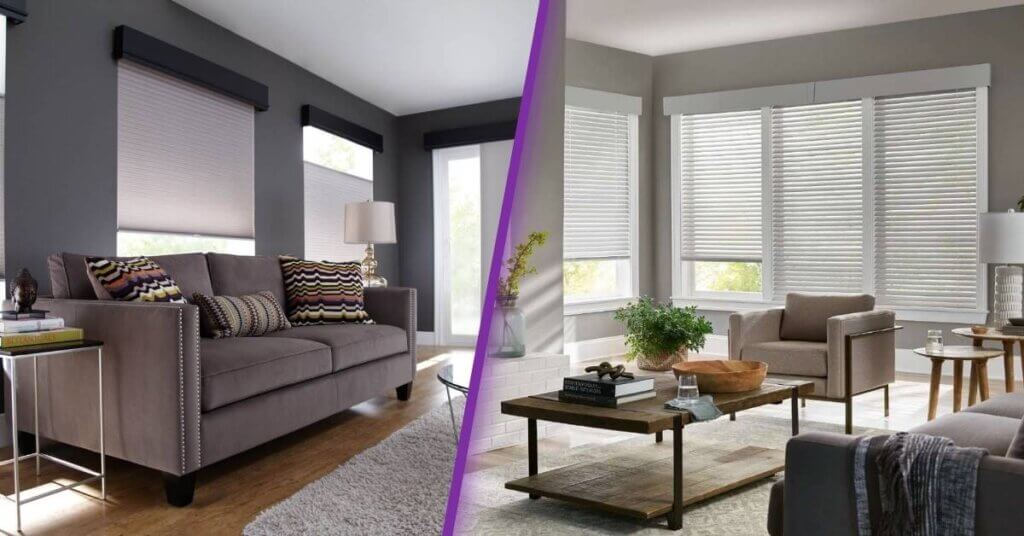
Choosing between cellular shades and blinds is not just a style decision. It affects how your home handles light, privacy, comfort, and long-term upkeep. Cellular shades are known for their honeycomb construction and thermal efficiency, while blinds use slats that tilt to control light. Both window treatments have advantages, and the better option depends on how you use your space, what matters most to your household, and how much flexibility you want day to day.
This guide compares cellular shades and blinds in terms of insulation, privacy, aesthetics, maintenance, durability, and cost. By the end, you should have a clearer sense of which option aligns best with your windows and your lifestyle. Let’s move from the overview into the specifics that actually influence buying decisions.
What Are Cellular Shades?
Cellular shades, also called honeycomb shades, are window coverings made from pleated fabric that forms air pockets when viewed from the side. These cells trap air and create a thermal barrier between the window and your interior space.
They are available in single-, double-, and triple-cell designs, with each layer providing insulation and improved energy efficiency. Cellular shades are available in light-filtering, room-darkening, and blackout options, making them suitable for bedrooms, living areas, and home offices.
Cordless and motorized configurations are common, which appeals to homeowners prioritizing safety, convenience, and a streamlined look.
What Are Blinds?
Blinds are structured window treatments made with horizontal or vertical slats. These slats tilt to control light and privacy and can be fully raised or lowered. Materials often include wood, faux wood, aluminum, and vinyl.
Blinds are valued for their adjustability. You can angle the slats to let in light while maintaining privacy, something many homeowners rely on in kitchens, bathrooms, and street-facing rooms. Their clean lines and visible hardware also make them a familiar choice across many interior styles.
Cellular Shades vs. Blinds: Energy Efficiency and Insulation
One of the key differences between cellular shades and blinds is thermal performance.
Cellular Shades and Thermal Efficiency
Cellular shades are specifically engineered for insulation. The honeycomb structure traps air, which helps reduce heat transfer through windows. This can make rooms feel more comfortable year-round, especially in spaces with large windows or high levels of sunlight.
Homes with older windows or rooms that struggle to stay comfortable often benefit from this added layer of thermal efficiency. Cellular shades are also effective at reducing drafts and managing solar heat gain.
Blinds and Temperature Control
Blinds offer some insulation, but their slatted design allows air to move more freely between the window and the room. While tilting the slats can reduce glare and direct sunlight, blinds do not create the same thermal barrier as cellular shades.
If energy efficiency is a top priority, cellular shades typically have the edge.
Light Control and Privacy Compared
Both options manage light and privacy differently, and this distinction matters in daily use.
Cellular shades control light by diffusing it through fabric. Light-filtering fabrics soften daylight, while blackout cellular shades block it almost entirely. Privacy is consistent because the fabric remains closed even when light enters.
Blinds rely on slats. You can fine-tune light levels by tilting them, which gives more control over brightness and light direction. Privacy depends on the slat angle, and gaps can still allow visibility at certain angles, especially at night with interior lights on.
Aesthetics and Interior Decor Impact
From a design standpoint, the look and feel of your window treatments influence the entire room.
Cellular shades offer a clean, minimal appearance. Their smooth profile works well with modern, transitional, and understated interiors. Because they sit close to the window, they tend to disappear visually rather than become a focal point.
Blinds are more architectural. The visible slats and headrail add structure and texture, complementing traditional, coastal, or casual decor styles. Wood and faux wood blinds also add warmth and visual depth.
Cleaning and Maintenance Expectations
Maintenance is often overlooked until after installation, but it plays a major role in long-term satisfaction.
- Maintaining Cellular Shades
Cellular shades require gentle care. Dusting with a microfiber cloth or light vacuuming with a brush attachment is usually sufficient. Because of their fabric construction, deep cleaning can be more involved, and moisture should be avoided. - Maintaining Blinds
Blinds are generally easier to clean. Slats can be wiped individually, and many materials tolerate mild cleaners. However, blinds may need more frequent cleaning since dust settles on each slat and remains visible.
Durability and Longevity
Durability depends on material quality, usage, and exposure to sunlight.
Cellular shades are durable when properly cared for, but fabric can show wear over time, especially in high-traffic areas or windows that are adjusted frequently.
Blinds, particularly faux wood or aluminum options, tend to handle daily use and direct sunlight better. Slats are rigid and less prone to stretching or creasing, making blinds a practical choice for busy households.
Installation and Hardware Considerations
Both cellular shades and blinds require precise measuring and proper installation to function correctly.
Cellular shades have internal mechanisms that must align perfectly to operate smoothly, especially with cordless or motorized systems. Blinds feature more visible hardware, including tilt mechanisms and lift systems, which must be installed level to prevent uneven wear.
Professional installation helps ensure long-term performance for either option.
Cost Comparison: Cellular Shades vs. Blinds
Cost varies widely based on size, materials, and features.
Cellular shades often cost more upfront, especially double-cell or blackout versions. Motorized options also increase the investment. However, the potential energy savings can offset some of that cost over time.
Blinds usually have a lower entry price, particularly in standard sizes and materials. Premium wood blinds and motorized blinds can narrow the gap, but blinds are generally more budget-friendly initially.
Which Option Fits Your Home Best?
The right choice comes down to priorities. If insulation, comfort, and a streamlined look matter most, cellular shades are often the better fit. If adjustability, durability, and ease of cleaning are higher on your list, blinds may suit your home better.
Many homeowners even mix both. Cellular shades in bedrooms and living spaces, blinds in kitchens or high-traffic areas.
Cellular Shades vs. Blinds: Key Differences
| Feature | Cellular Shades | Blinds |
| Design | Soft fabric with honeycomb cells | Rigid slats that tilt |
| Energy Efficiency | High insulation and thermal performance | Lower insulation |
| Light Control | Diffused light or full blackout | Adjustable via slat tilt |
| Privacy | Consistent privacy when closed | Varies based on slat angle |
| Maintenance | Gentle cleaning required | Easier, wipeable slats |
| Durability | Fabric can wear over time | More resistant to daily wear |
| Cost | Higher upfront investment | Typically more budget-friendly |
Frequently Asked Questions
Are cellular shades better than blinds for large windows?
Cellular shades often perform better on large windows because their honeycomb structure helps manage heat and glare more evenly. They also maintain a cleaner appearance across wide spans.
Do blinds last longer than cellular shades?
In many cases, blinds made from faux wood or aluminum have a longer lifespan, especially in areas with high humidity or frequent use. Cellular shades last well, too, but fabric wear can appear sooner.
Can cellular shades and blinds be motorized?
Yes. Both cellular shades and blinds are available in motorized options, making them easier to operate on hard-to-reach windows and compatible with smart home systems.
Final Thoughts: Making the Right Choice
There is no universal winner in the cellular shades vs. blinds debate. Each option serves a different purpose, and the best choice depends on how you live in your space. By weighing insulation, light control, maintenance, durability, and cost, you can select a window treatment that feels right long after installation.
Ready to Explore Your Options?
If you are considering new window treatments and want guidance tailored to your home, the team at Made in the Shade Eastern Shore is here to help. A professional consultation can clarify which solution fits your windows, your needs, and your long-term comfort goals. Reach out to start the conversation and make a confident decision for your home.