
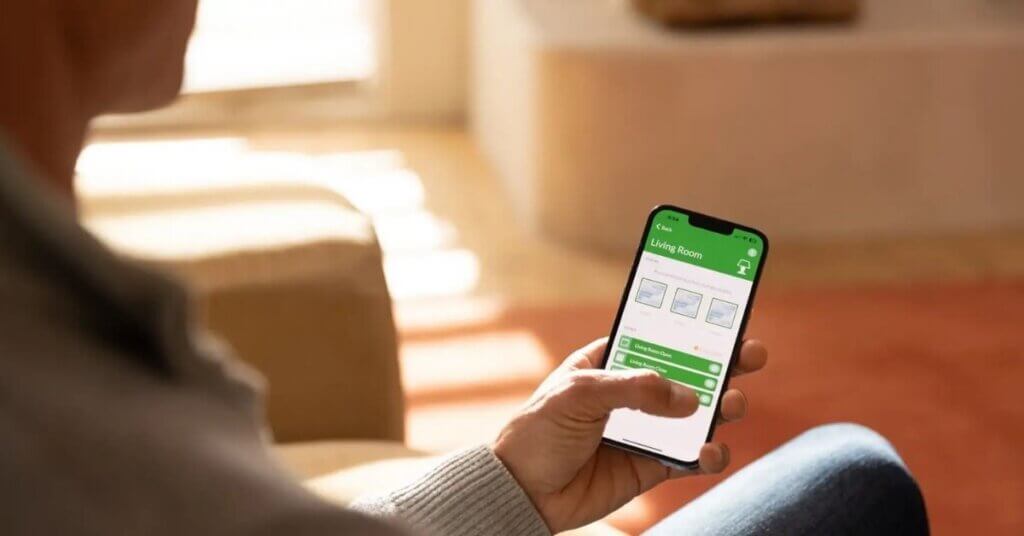
When upgrading your home with modern window treatments, motorization is one of the most popular options for both convenience and style. But what exactly sets automated window treatments apart from their motorized counterparts? While the terms are often used interchangeably, there are key distinctions between the two that can affect how they perform in your home.
This blog breaks down the differences between automated and motorized window treatments, helping you decide which option is best for your lifestyle.
Motorization
Automation
Understanding Motorized Window Treatments
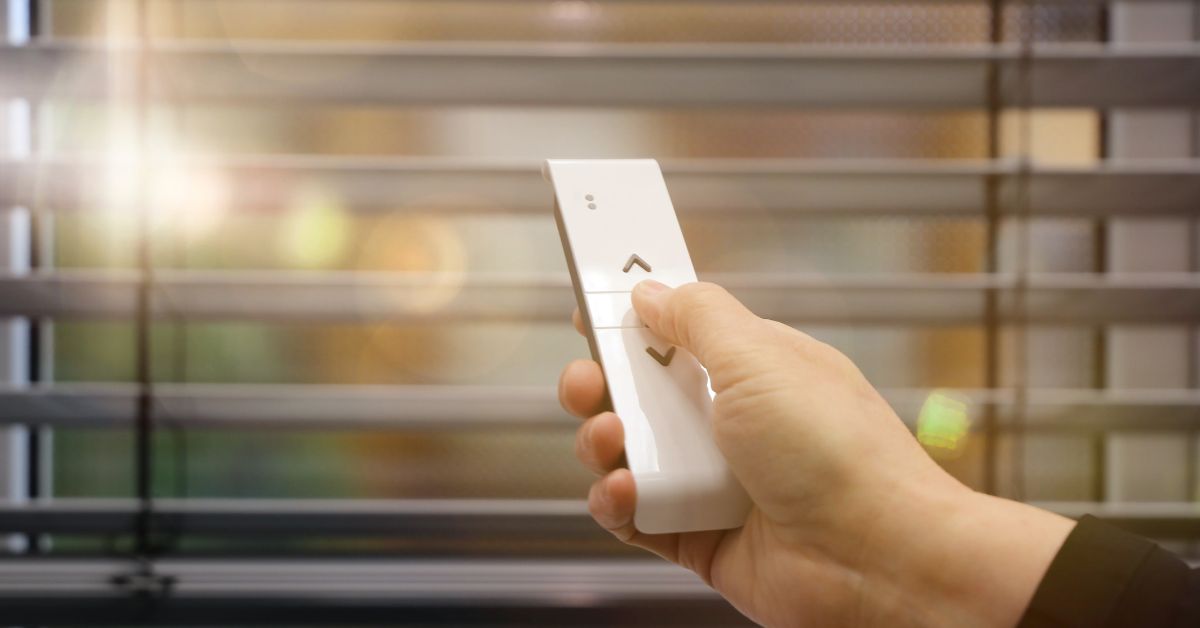
Motorized window treatments are powered by motors that adjust the position of your shades, blinds, or curtains. They typically rely on a remote control, wall switch, or even a smart hub for operation. The motor adjusts the window treatment to your desired position with the press of a button or a voice command.
Motorized options are ideal for those looking for basic convenience. With just a press of a button, you can open or close your blinds or shades with ease. For example, in a room with large windows or hard-to-reach areas, motorized treatments can offer the perfect solution to controlling light and privacy without the hassle of manual operation.
What Are Automated Window Treatments?
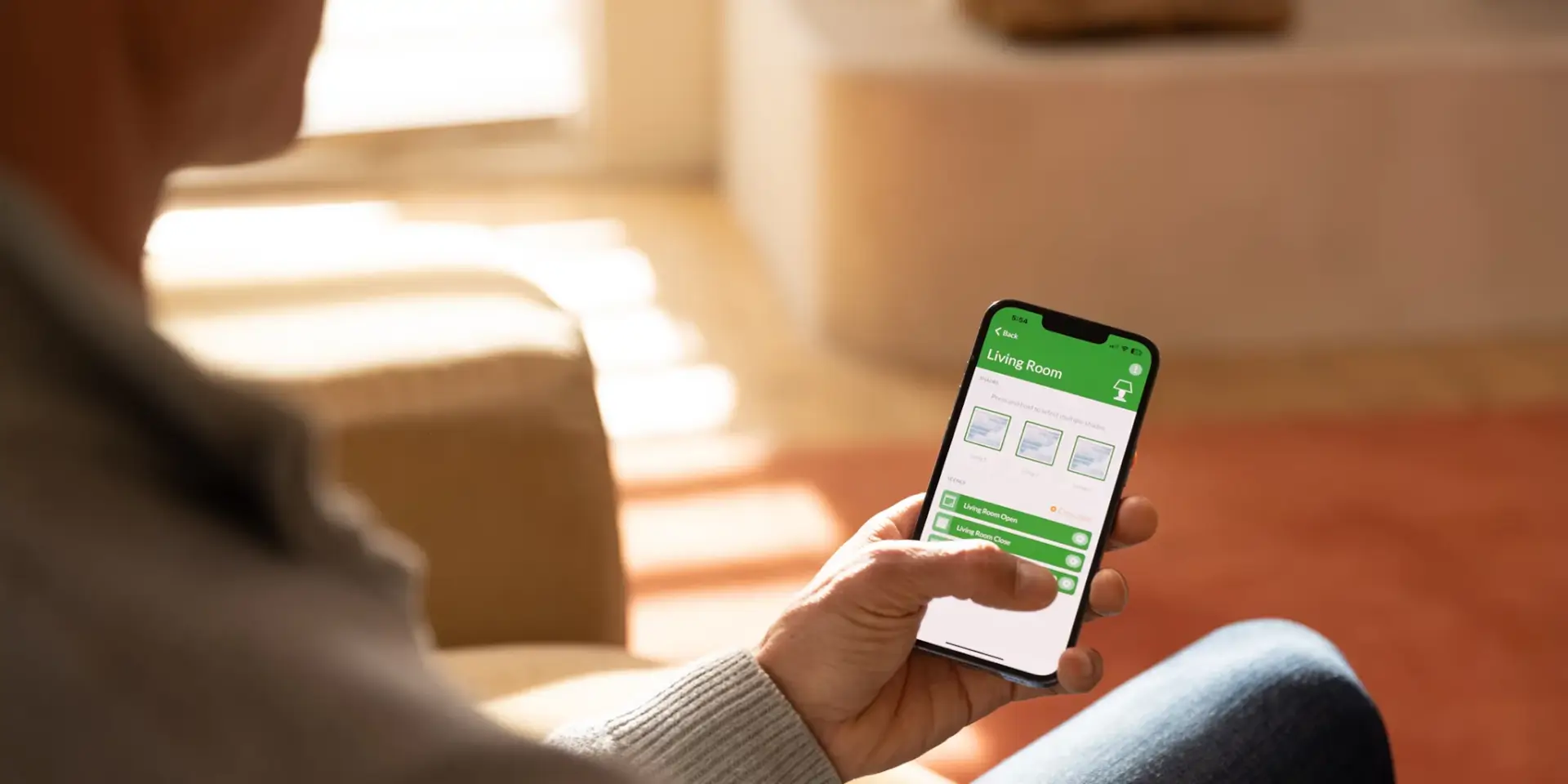
Automated window treatments go a step further, integrating sensors, schedules, and even smart home systems into their operation. Unlike motorized systems that work on command, automated systems use automation to adjust your window coverings based on pre-programmed schedules, sensors, or environmental triggers. For instance, your shades could lower automatically when the sun reaches a certain angle, or they could adjust based on the room’s temperature to enhance energy efficiency.
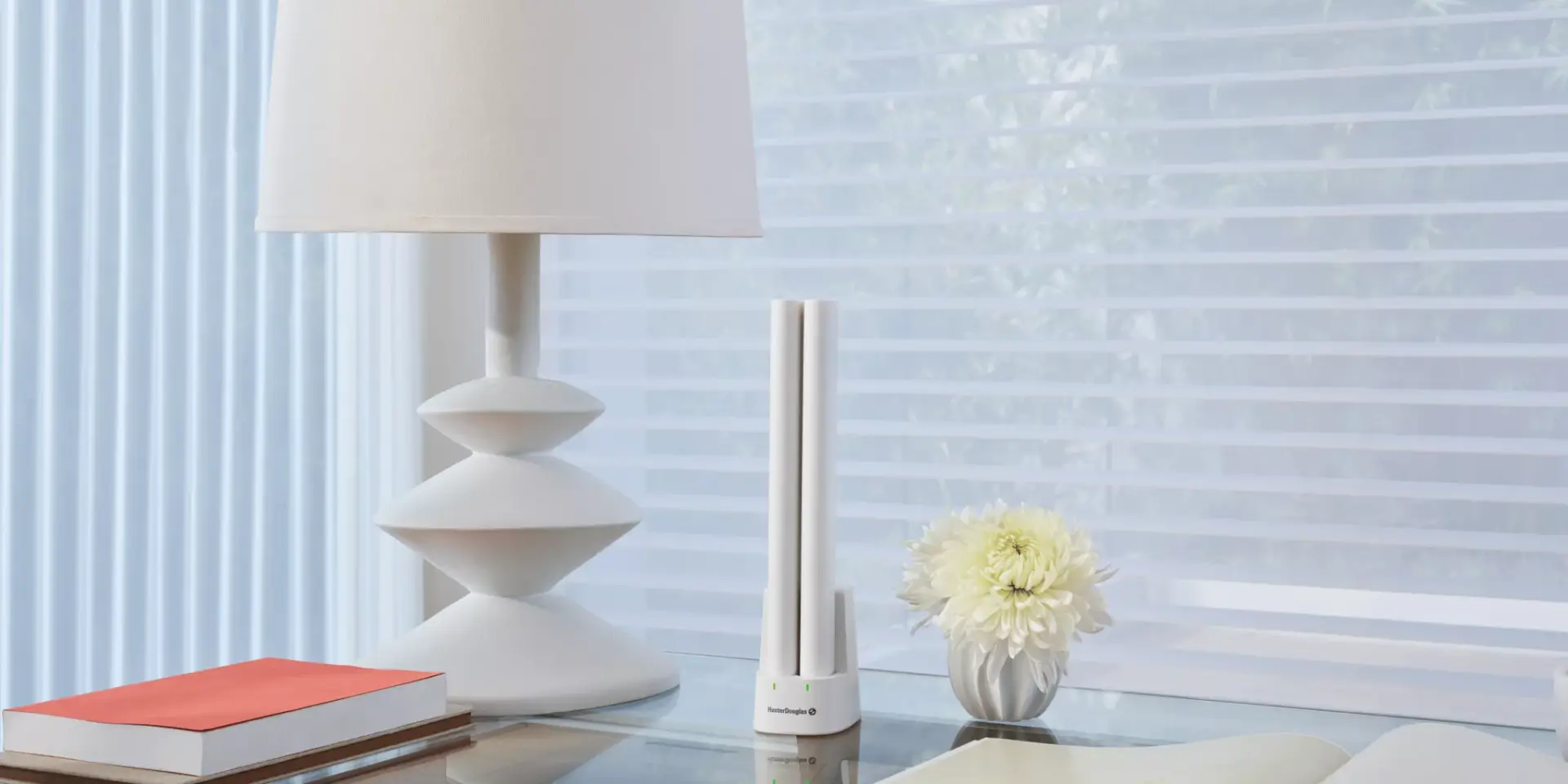
Automation offers greater flexibility than motorization alone, making it a perfect fit for tech-savvy homeowners who want more control and personalization in their window treatment system. With features like Alexa, Google Home, or other smart hub integration, automated systems seamlessly fit into your daily routine and lifestyle.
Ready to make your home smarter?
Key Differences Between Motorized and Automated Window Treatments
Feature | Motorized Window Treatments | Automated Window Treatments |
Control | Remote control or switch operation | Schedules, sensors, or smart home integration |
Technology | Basic motorized operation | Advanced automation with integration |
Convenience | Convenient for one-touch adjustments | Full integration into daily routines |
Energy Efficiency | Manual operation | Automated adjustments based on temperature, sunlight, etc. |
Smart Features | Limited (remote, switch) | Full integration with smart hubs (Alexa, Google Home) |
Which One is Better for You?
Motorized Window Treatments: Ideal for Simplicity and Convenience
If you’re looking for a straightforward, hands-off way to control your window treatments, motorized options may be the way to go. With features like remote control, smart hub integration, or even voice control, motorized window treatments give you the freedom to adjust your blinds or shades without getting up.
However, keep in mind that motorized systems are typically more reactive than automated ones. You’ll still need to manually operate them at set times or in response to specific needs.
Automated Window Treatments: Perfect for High-Tech, Seamless Living
For those who want complete control over their environment, automated window treatments offer superior customization and integration. With automated systems, you can set presets to adjust your window coverings at specific times of the day, or even tie them into your home’s thermostat to improve energy efficiency. The integration with smart devices also means your shades can adjust to match your lifestyle, whether you’re at home, at work, or on vacation.
Automated systems bring luxury, energy savings, and convenience into your home, but they require a bit more setup and investment upfront. If you’re ready to embrace the future of home automation, these systems can deliver unparalleled comfort.
FAQs About Automated vs. Motorized Window Treatments
What is the main difference between motorized and automated window treatments?
The main difference lies in the control mechanisms. Motorized treatments are controlled by a remote or switch, allowing you to open or close them with the press of a button. Automated window treatments, on the other hand, adjust based on schedules, sensors, or smart home triggers, offering more advanced and convenient functionality.
Can I integrate automated window treatments into my existing smart home system?
Yes, many automated window treatments are designed to integrate with popular smart home platforms like Alexa, Google Home, and Apple HomeKit. This allows you to control your window treatments through voice commands or apps or even set up specific scenes or routines that adjust your shades based on your needs or time of day.
Are motorized window treatments easier to install than automated ones?
In general, motorized window treatments are easier to install compared to automated systems. Motorized systems typically require the basic installation of motors into the window coverings, while automated systems involve more complex setups for sensors, scheduling, and smart-home integration. Both types usually require professional installation for optimal results.
Enjoy a Smarter Home Today
If you’re looking to elevate your home with the ultimate in convenience and energy efficiency, choosing between motorized and automated window treatments is the first step. Both options offer incredible benefits, but the choice depends on how involved you want your window treatments to be in your daily routine.