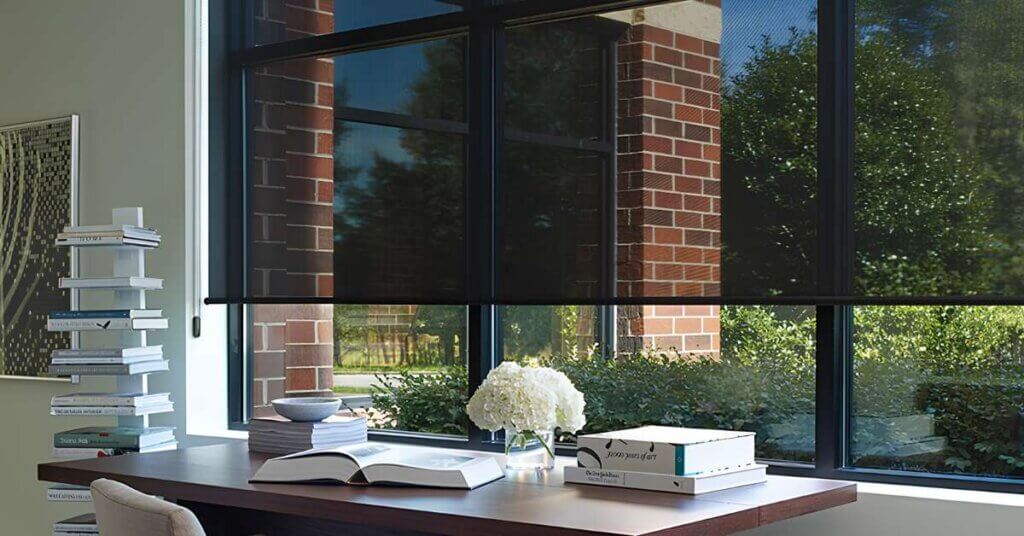
Solar shades cost can vary because every project has different windows, design goals, and functional needs. The final cost often depends on the material, size, openness, opacity, installation method, motorization, customization, brand, warranty, and labor involved. Understanding these factors helps you compare options more confidently and choose solar shades that fit your home, comfort needs, and budget.
Why Solar Shades Cost Varies
Solar shades are not one-size-fits-all window coverings. A simple interior shade for a small window will usually cost less than a custom exterior solar shade with automation, smart controls, and specialty hardware.
The right choice depends on what you want the shades to do. Some homeowners want to reduce glare in a bright living room. Others need UV protection for furniture, better daytime privacy, or a cleaner look for large patio windows. Each goal affects the type of fabric, mesh, density, and control system recommended.
1. Material and Fabric Quality
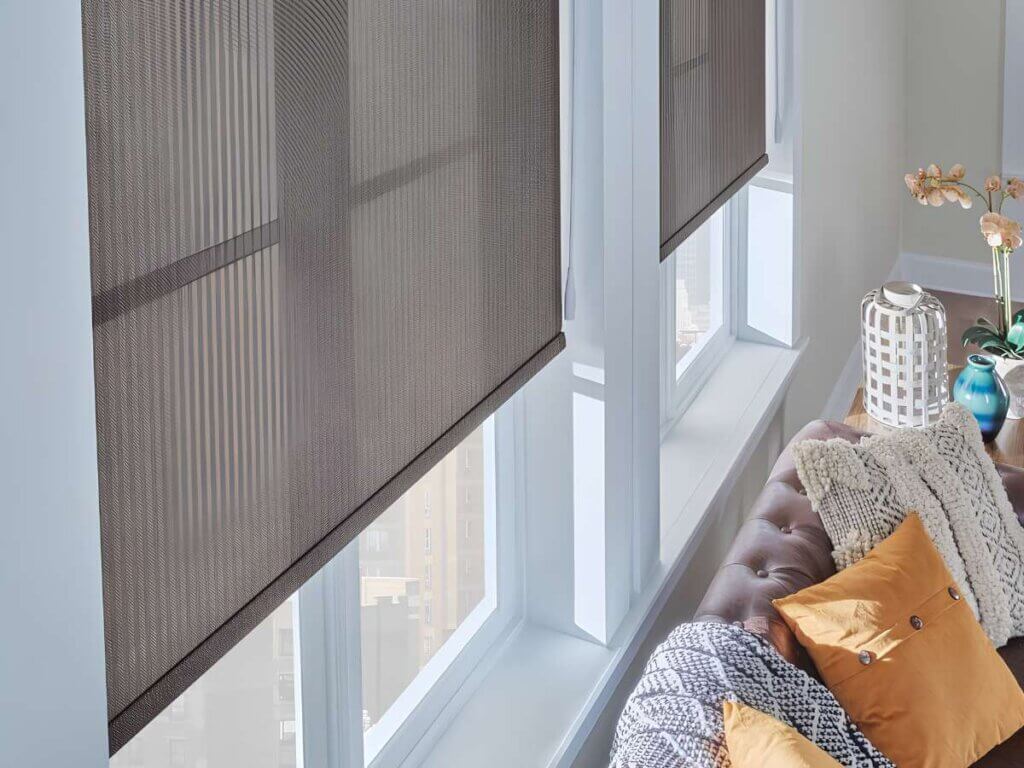
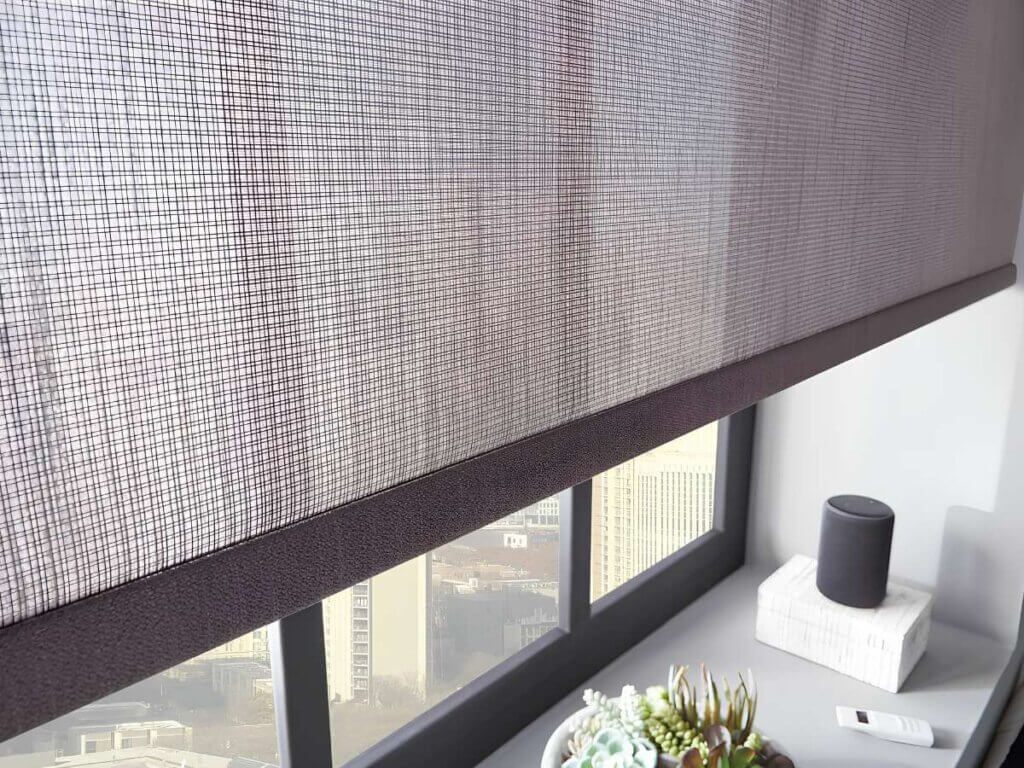
The material used in your solar shades plays a major role in the total cost. Solar shade fabric is often made with a woven mesh designed to filter sunlight while preserving some outward visibility.
Higher-quality fabric may cost more, but it can offer better durability, smoother operation, and stronger performance against glare and UV exposure.
Common Material Considerations
Factor | How It Affects Cost |
Fabric quality | Premium materials usually cost more |
Mesh density | Tighter weaves may increase cost |
UV performance | Higher protection levels can affect pricing |
Interior vs. exterior use | Exterior shades often need stronger materials |
Brand | Established brands may include better warranties |
2. Size and Measurements
The size of your windows directly affects the cost of solar shades. Larger windows require more fabric, stronger hardware, and sometimes additional labor during installation.
Accurate measurements also matter. Even a small measuring mistake can affect how the shade fits, operates, and looks. Custom solar shades are made to match the exact width and height of each window, which usually costs more than standard, ready-made options but provides a cleaner and more reliable result.
3. Openness, Opacity, and Transparency
Openness refers to how much space exists in the fabric weave. A lower openness factor usually means less visibility through the shade and better light blocking. A higher openness factor allows more transparency and an outdoor view.
Opacity also affects comfort and privacy. A denser fabric may reduce glare more effectively, while a more open mesh may keep the room brighter.
What to Consider
- Choose lower openness for stronger glare control.
- Choose higher openness if preserving the view matters more.
- Consider opacity if privacy is a top concern.
- Match fabric density to the room’s sunlight exposure.
4. Interior vs. Exterior Solar Shades
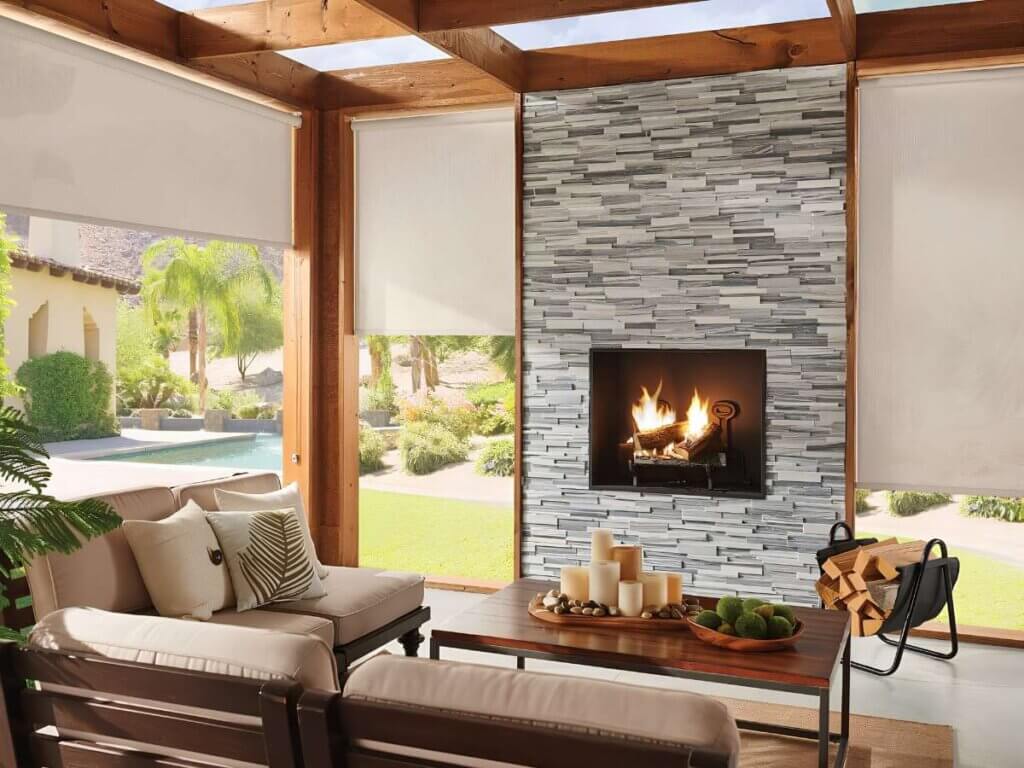
Interior solar shades are installed inside the home and are often used for glare reduction, UV protection, and light control. Exterior solar shades (less common for residential use) are installed outside and help block sunlight before it reaches the glass.
Exterior shades often cost more because they require weather-ready materials, stronger hardware, and more specialized installation. They may also need additional mounting considerations, especially for patios, porches, and large outdoor openings.
5. Motorization, Cordless Options, and Smart Controls
Control style can make a noticeable difference in cost. Manual shades are often more affordable, while cordless systems provide a clean look and easier everyday use.
Motorization adds convenience, especially for tall windows, wide glass doors, or rooms with multiple shades. With automation, you can adjust shades using a remote, app, wall switch, or smart home system. Smart solar shades may cost more upfront, but they can make daily light control much easier.
6. Installation, Labor, Hardware, and Warranty
Professional installation helps ensure your shades are measured, mounted, and adjusted correctly. Labor cost depends on the number of windows, mounting location, hardware needs, and project complexity.
Warranty coverage can also influence pricing. A stronger warranty may come with a higher-quality product or brand, but it can provide added confidence over time. Before comparing estimates, ask what is included, such as hardware, measurements, installation, motorization setup, and warranty details.
How to Compare Solar Shade Estimates
Before choosing the lowest cost, compare what each quote includes. A lower price may not include professional measurements, upgraded fabric, motorization, exterior-rated materials, or warranty support.
Look for details such as:
- Fabric type and openness percentage
- Interior or exterior installation
- Manual, cordless, or motorized operation
- Hardware and mounting requirements
- Brand and warranty coverage
- Labor and installation details
Frequently Asked Questions About Solar Shades Cost
1. Are solar shades more expensive than regular roller shades?
Solar shades can cost more than basic roller shades because the fabric is designed for glare control, UV protection, and visibility management. The price difference depends on the material, openness, size, and customization level. Motorization or exterior use can also increase the total cost.
2. Does openness affect the price of solar shades?
Yes, openness can affect cost because it relates to the fabric’s weave, density, and performance. A tighter mesh may offer more glare reduction and privacy, while a more open fabric may preserve more outdoor visibility. The best choice depends on your windows, sunlight exposure, and comfort goals.
3. Are exterior solar shades worth the higher cost?
Exterior solar shades may be worth the added cost for patios, porches, and windows that receive strong direct sun. They help block sunlight before it reaches the glass, which can improve comfort in exposed areas. They also require stronger materials, hardware, and installation, which affects pricing.
4. Is motorization necessary for solar shades?
Motorization is not required, but it is helpful for large windows, hard-to-reach areas, and rooms with several shades. A remote, automation system, or smart control can make daily adjustments much easier. Cordless and manual options may work well for smaller or easily accessible windows.
5. What should I ask before buying solar shades?
Ask about fabric options, openness levels, measurements, installation, hardware, warranty, and control choices. You should also clarify whether the quote includes labor, motorization setup, and customization. This helps you compare the real cost instead of only looking at the starting price.
Choose Solar Shades With Confidence
Solar shades cost depends on more than the product itself. Material, size, openness, opacity, installation, motorization, brand, warranty, and labor all shape the final investment. By understanding these factors, you can choose shades that reduce glare, protect your interior, and suit the way you use each room.
The right solar shades can do more than control sunlight—they can improve comfort, protect interiors, and enhance your home’s style. MITS Eastern Shore can help you compare solar shade options for your home. Schedule a consultation to explore fabric choices, control styles, and custom solutions for your windows.