
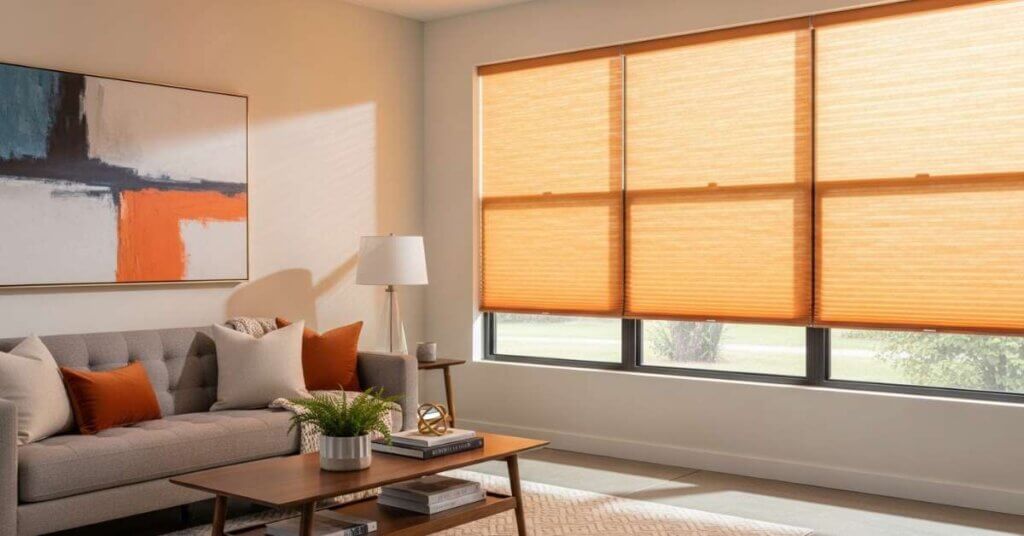
Consider the Role of Cellular Shades in Your Room
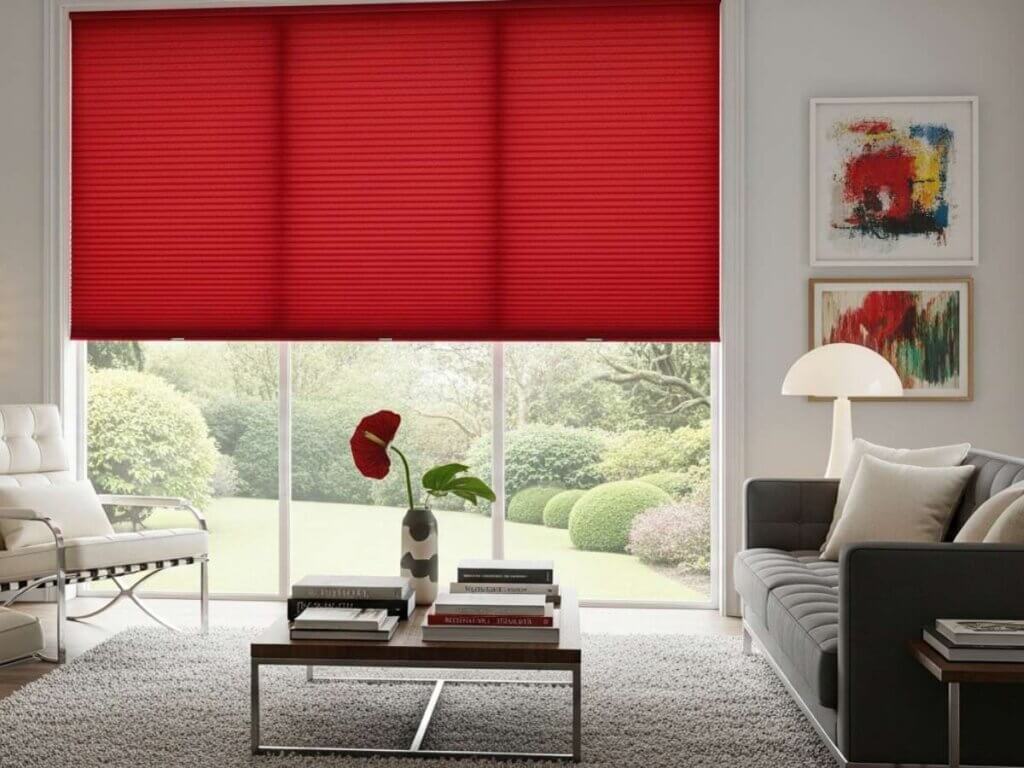
Cellular shades, also known as honeycomb shades, provide excellent energy efficiency and light control. However, the color of the fabric you choose can further enhance the functionality and aesthetic of your space. The right color can also contribute to the warmth, brightness, and contrast of a room, ensuring that your shades are not only functional but also complement your overall design.
How Lighting Affects Shade Color
When selecting cellular shades, consider how natural and artificial light will affect the color. Lighting can alter the way a color appears, so always test a swatch in your room’s lighting before making a final decision. Here’s what to keep in mind:
- Natural light: Bright sunlight can make lighter colors appear even brighter and add a warm or cool tint depending on the angle of the light.
- Artificial light: Incandescent lighting can make warmer tones look even richer, while LED lights can bring out cooler hues.
The Importance of Tone and Hue
Understanding the difference between tone and hue is essential for achieving your desired effect.
- Hue refers to the color itself, such as red, blue, or yellow.
- Tone refers to the depth or intensity of the color, whether it’s lighter or darker.
For instance, if you’re seeking a modern, minimalist look, opt for neutral shades like light gray or white. For more warmth and coziness, consider soft beige or tan hues that match wood or other natural materials.
Choosing the Best Color Based on Room Design
The design of your room plays an important part in determining which color of cellular shades will suit the space best. Below are some considerations for different types of rooms:
Living Room
In the living room, you want to create an inviting and stylish atmosphere. Choose a color that either complements or contrasts with your furniture and wall color.
- Neutral tones like beige, cream, or soft gray work well for a sophisticated, understated look.
- Bold colors can be used to add a pop of personality, especially if you have neutral furniture.
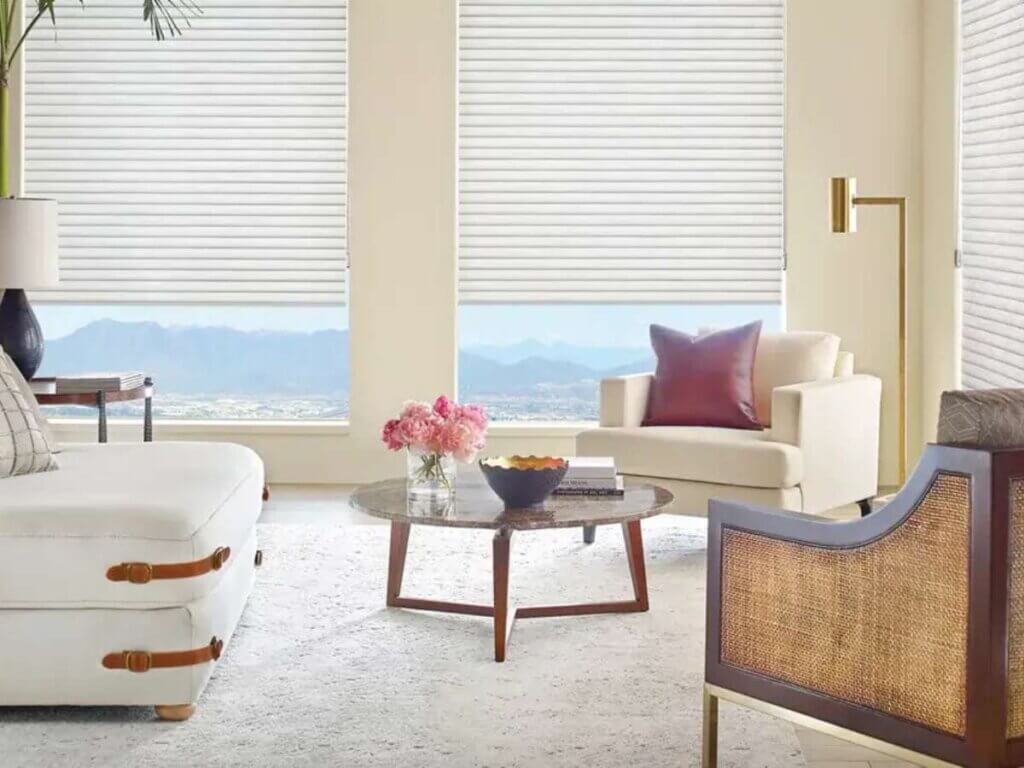
Bedroom
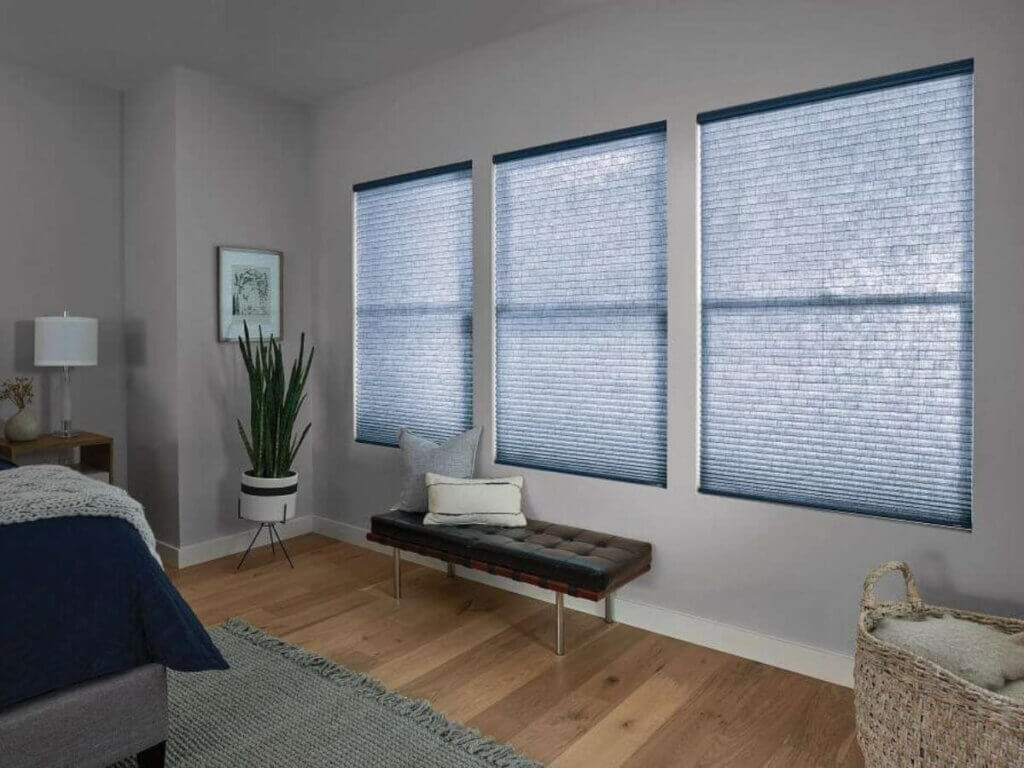
In the bedroom, cellular shades should offer both privacy and a cozy vibe.
- Light colors like pale gray or off-white can create a serene, restful environment, while maintaining brightness in the room.
- For blackout or room-darkening features, choose darker tones or colors that absorb light, such as deep navy or charcoal.
Kitchen
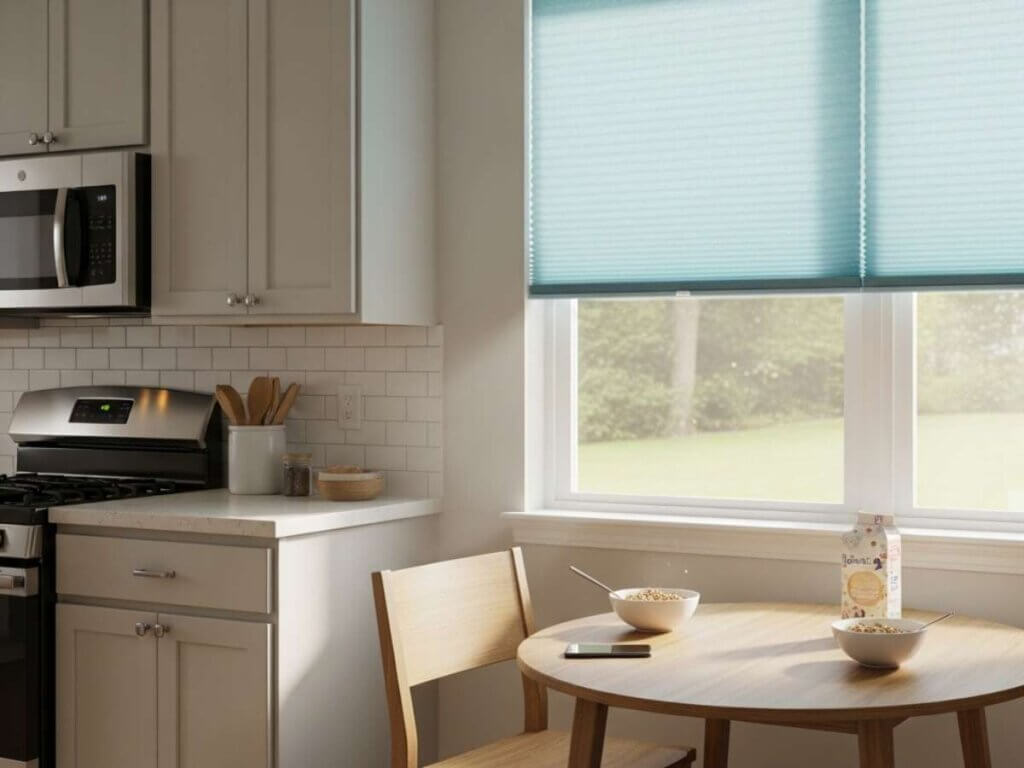
Kitchens often benefit from lighter, brighter shades to maintain a clean, fresh look.
- Pastel shades or light neutral hues work well in kitchens, providing a touch of warmth without overpowering the space.
How to Match Cellular Shades Colors with Your Home Décor
The colors of your cellular shades should blend harmoniously with the existing décor in your home. Here are a few tips to help you match:
- Accent your décor: Use shades that match or complement your accent colors, such as the color of throw pillows, rugs, or artwork.
- Create contrast: If you have dark walls, lighter-colored shades can provide contrast, brightening the space and offering a clean, modern aesthetic.
- Match textures: Consider how the fabric of your shades interacts with other textures in the room. For instance, pairing a soft, matte finish with plush fabrics, or sleek, shiny shades with metallic or leather textures, creates a cohesive feel.
The Benefits of Custom Cellular Shade Colors
Custom cellular shades allow you to choose exactly the right color, fabric, and finish to match your needs. Custom shades give you:
- Personalization: Pick the perfect hue, texture, and pleat design.
- Optimal energy efficiency: Colors and fabrics like darker shades and light-filtering fabrics can help regulate your home’s temperature.
- Better privacy and insulation: Custom blackout or insulating fabrics can be selected to match the energy needs of each room.
Frequently Asked Questions (FAQs) about Cellular Shades Colors
What is the best color for privacy and light control in cellular shades?
Darker colors such as charcoal, deep navy, or forest green tend to provide better light-blocking and privacy benefits.
How do I know which shade color will look best in my room?
Always test a swatch in your room’s lighting before making a final decision. Lighting affects how colors appear, so checking how the color changes with natural and artificial light will ensure you pick the best option.
Can I get cellular shades in custom colors?
Yes, custom cellular shades allow you to choose your desired fabric, color, and pleat style to perfectly match your room’s décor and lighting needs.
How do cellular shades help with energy efficiency?
Cellular shades are made with a honeycomb structure that traps air, providing insulation to your windows. This helps reduce heat loss in the winter and keeps your home cooler in the summer.
Are lighter colors better for energy efficiency?
Lighter shades can help reflect light and reduce heat gain, while darker colors absorb heat. Depending on your home’s energy needs, choose a color that balances warmth and brightness.
Conclusion
Choosing the perfect color for your cellular shades involves considering your room’s design, lighting, and functionality. Whether you prefer a light, neutral color to complement your modern décor or a dark tone for added privacy and warmth, there’s a perfect shade for every room. Always consider testing colors in your space before making a final decision.
Need help selecting the perfect color for your cellular shades? Contact MITS Eastern Shore and let our experts guide you through the process of choosing the ideal color that enhances both the beauty and functionality of your home. Schedule a consultation today!