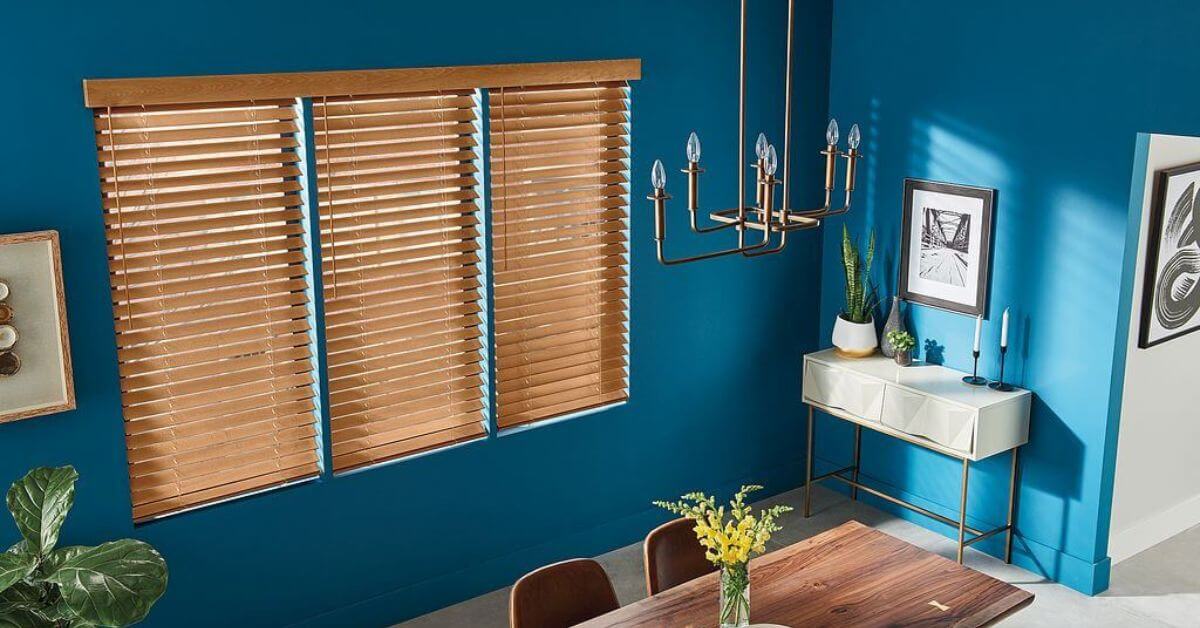
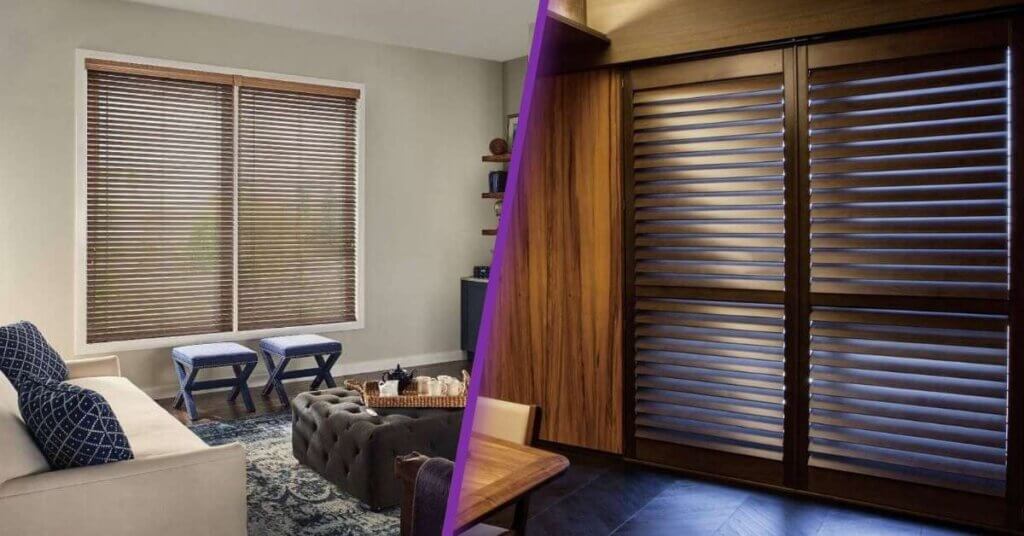
When it comes to choosing the right window treatment for your home, the decision between wood blinds and wood shutters can be difficult. Both options offer stunning aesthetics, durability, and functionality, but they excel in different areas depending on the room and its specific needs. In this guide, we’ll break down the advantages of wood blinds vs. wood shutters and help you make an informed decision for each room in your home.
Wood blinds and wood shutters each bring their own set of benefits. While both provide excellent light control, privacy, and natural beauty, their features differ in terms of maintenance, customization, and room suitability. This guide covers the pros and cons of each, offering a room-by-room breakdown for where each window covering excels.
Wood Blinds vs. Wood Shutters: Key Differences
1. Material & Construction
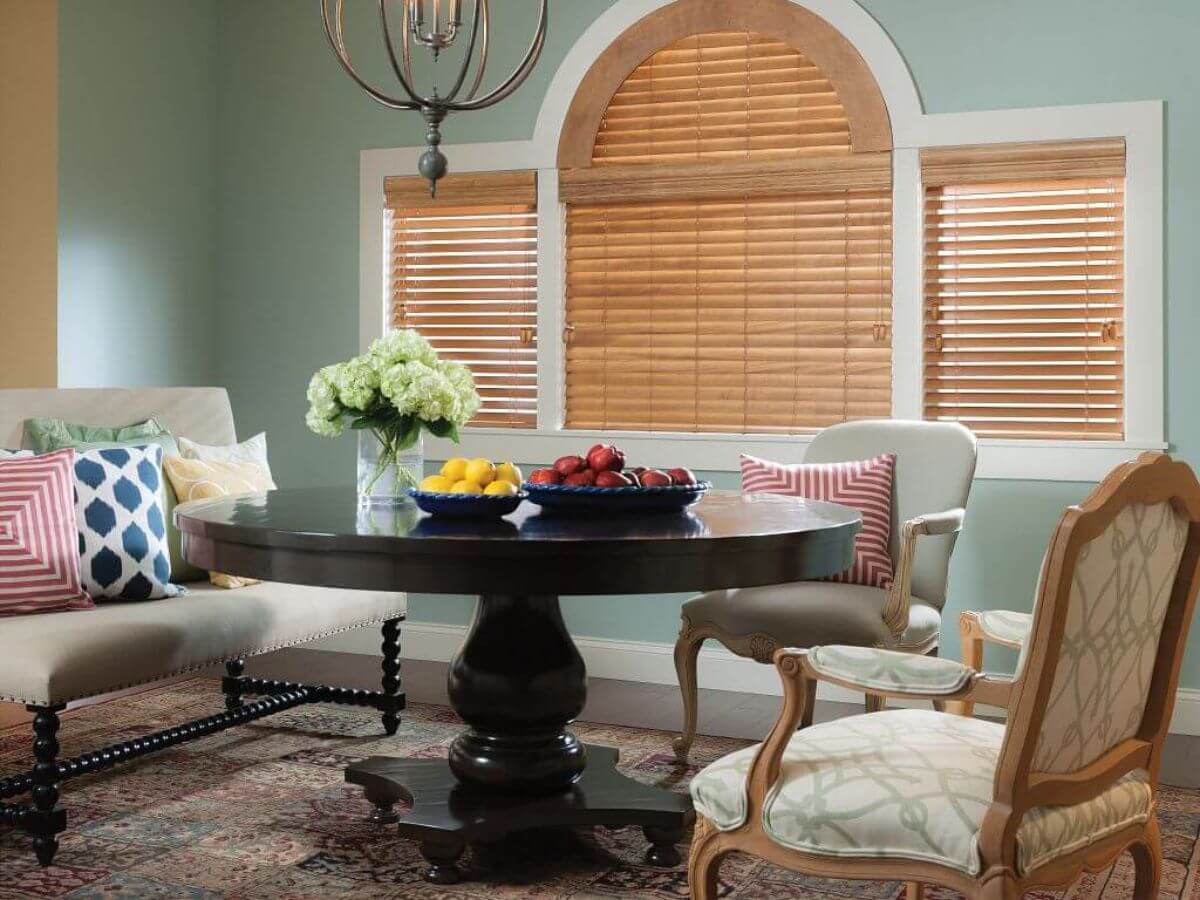
- Wood Blinds: Typically made from hardwood or engineered wood, wood blinds consist of horizontal slats (or louvers) that tilt for light control. They’re ideal for spaces that need adjustable privacy and light control.
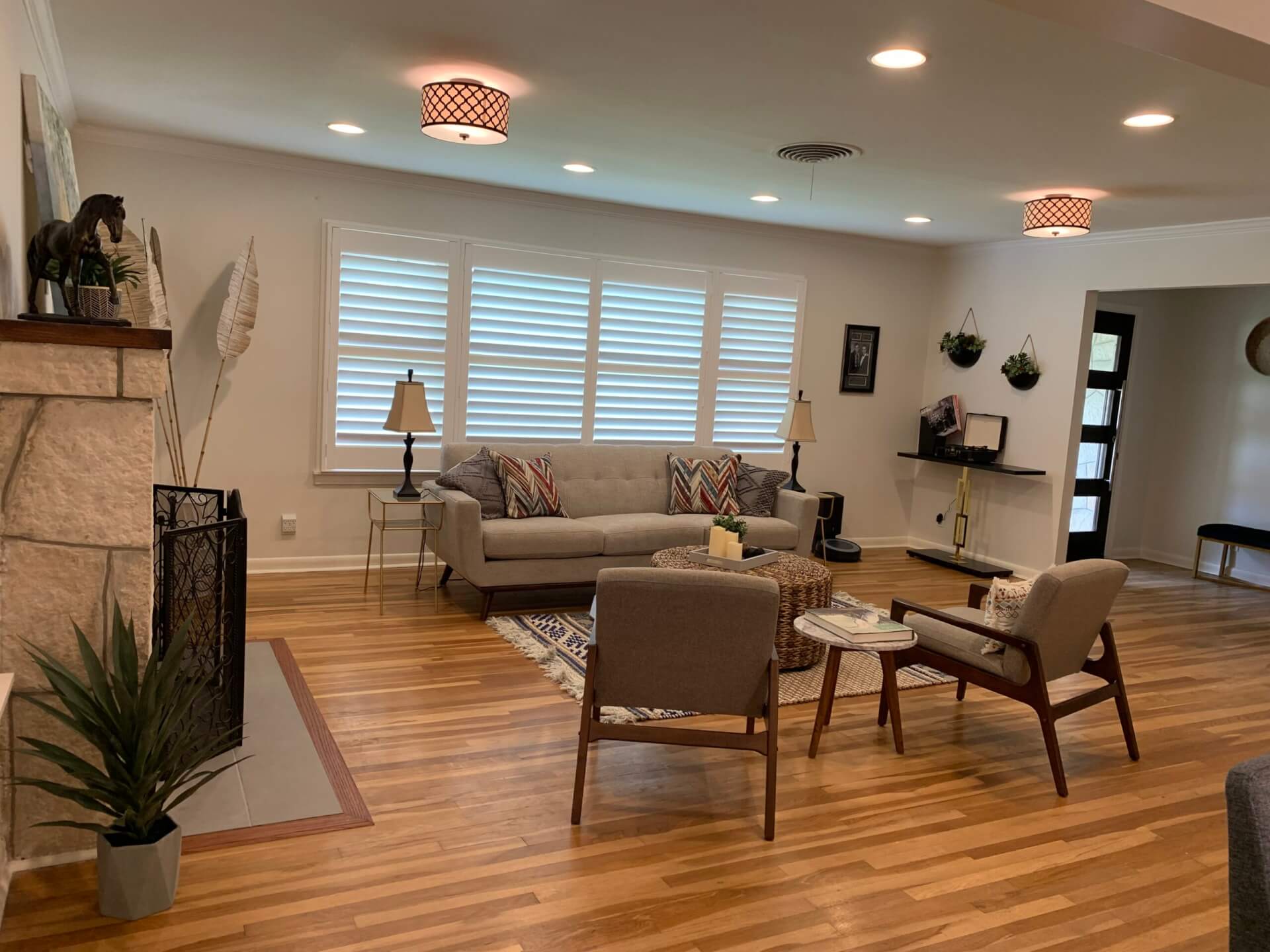
- Wood Shutters: Crafted from solid wood, these window treatments consist of larger louvers and a frame that fits within the window opening. Shutters are more permanent and offer a sophisticated, timeless look.
2. Light Control & Privacy
- Wood Blinds: The tilting slats of wood blinds provide precise light control, making them suitable for spaces that need a balance of light and privacy.
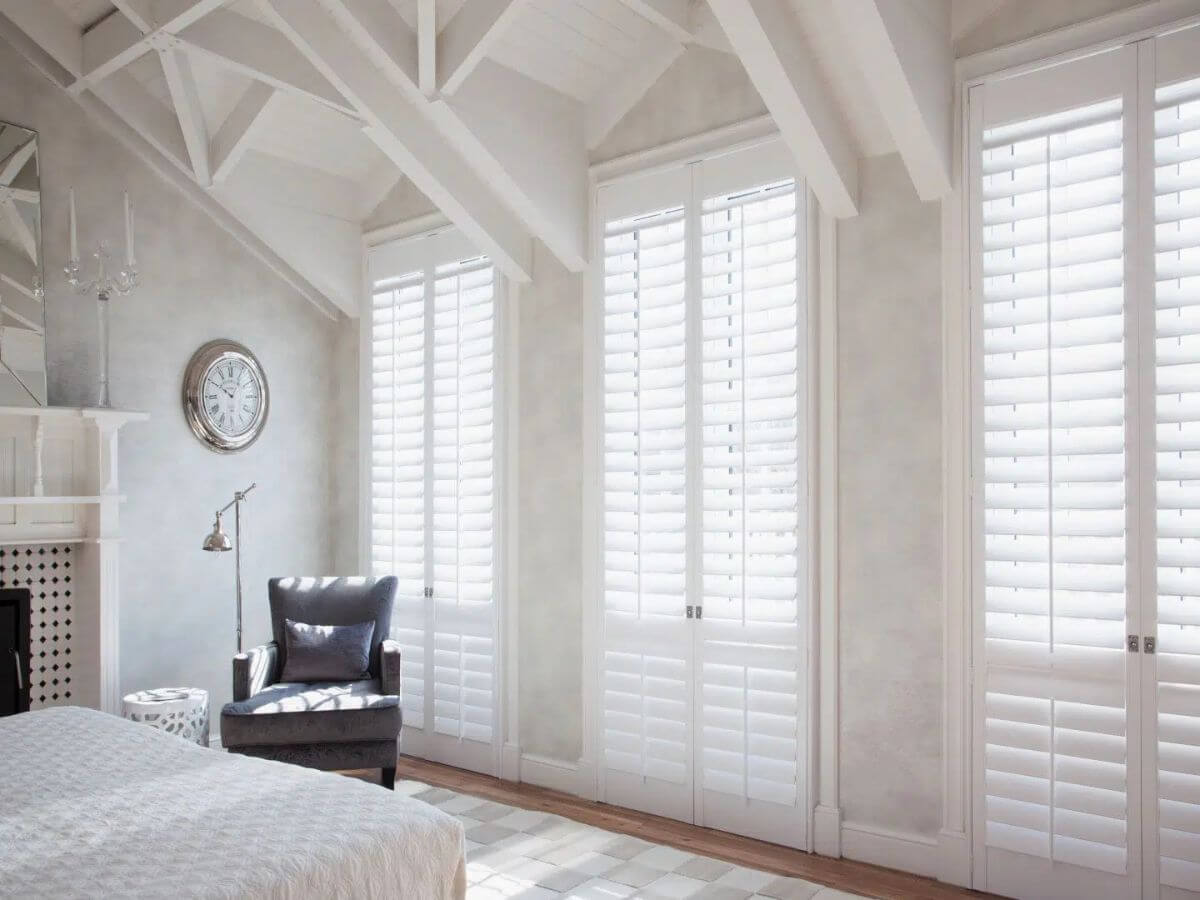
- Wood Shutters: With their larger louvers, wood shutters offer superior light control, and their full-frame construction enhances privacy, especially in bedrooms or living rooms.
3. Humidity Resistance
- Wood Blinds: While wood blinds can handle light humidity, they may warp over time in high-moisture environments like kitchens or bathrooms.
- Wood Shutters: Wood shutters, especially painted shutters, are more durable in humidity and offer better resistance to warping in moist areas.
4. Aesthetic & Design
- Wood Blinds: Available in natural wood, stained wood, or painted finishes, wood blinds offer flexibility in design and complement modern or traditional home decor.
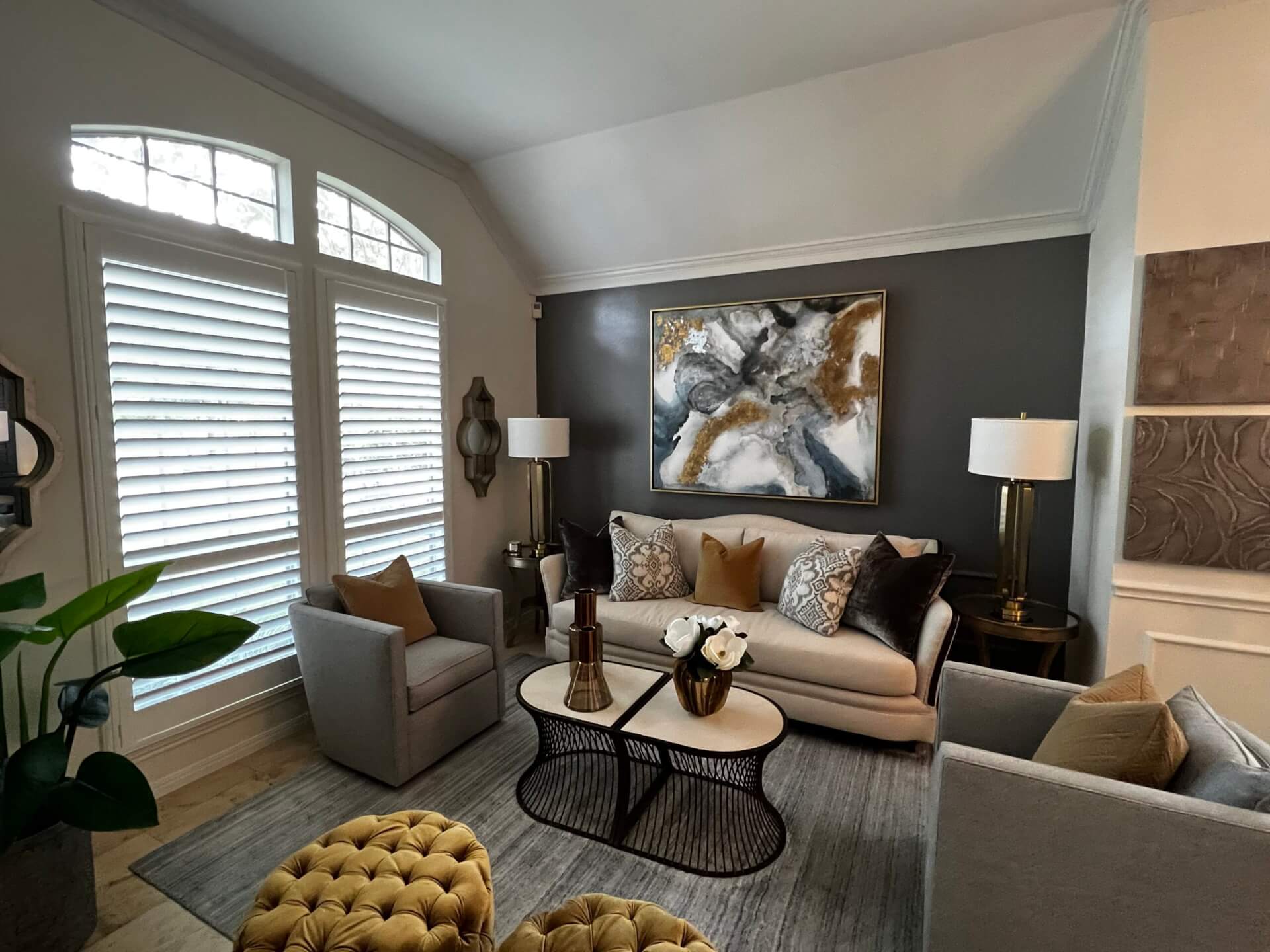
- Wood Shutters: Wood shutters provide a more formal, classic look. They can be customized with different finishes, from natural wood to painted shutters, adding curb appeal and enhancing the value of your home.
Room-by-Room Breakdown: Which to Choose?
Living Room: Wood Shutters
For a living room, wood shutters are a great option because they offer both privacy and elegance. With their classic design and durability, they provide a timeless look while still allowing light control. The larger louvers of wood shutters are perfect for making a statement and complementing your home decor.
Bedroom: Wood Shutters
In bedrooms, wood shutters excel at room darkening and privacy. The thick louvers help block out light, making them an ideal choice for a restful sleep environment. Additionally, they provide insulation, keeping your room cooler in the summer and warmer in the winter.
Kitchen: Wood Blinds
Wood blinds are a better fit for the kitchen because of their easy maintenance and adjustability. The slats allow for excellent light control, while the blinds’ lightweight design makes them easy to open and close. However, be mindful of humidity—choose faux wood blinds for greater durability.
Bathroom: Wood Shutters
Bathrooms benefit from the moisture-resistant nature of wood shutters. Their sturdy frame and larger louvers help maintain privacy while still allowing light to filter through. You can opt for painted shutters to further protect them from high humidity and moisture damage.
Benefits of Wood Blinds and Shutters
- Durability: Wood shutters are built to last for decades, with robust materials and construction. Wood blinds, though slightly less durable, can still last a long time with proper care.
- Insulation: Both wood blinds and wood shutters provide insulation, helping to keep your home energy-efficient year-round.
- Customizability: Both options come in a wide range of finishes (natural wood, stained wood, painted), and you can customize them to fit your windows perfectly.
- Cordless Options: Many modern wood blinds and shutters offer cordless options, ideal for homes with children or pets.
Frequently Asked Questions about Wood Blinds and Wood Shutters
Are wood blinds or wood shutters better for light control?
Wood shutters typically offer better light control because of their larger louvers and the ability to fully close, making them ideal for bedrooms and living rooms.
Which is more durable: wood blinds or wood shutters?
Wood shutters are generally more durable due to their solid construction and larger frame, making them better suited for long-term use, especially in high-traffic areas.
Can wood shutters be used in bathrooms?
Yes, wood shutters work well in bathrooms, particularly if you opt for painted wood shutters that offer greater moisture resistance.
Are wood blinds more affordable than wood shutters?
Yes, wood blinds are typically more affordable than wood shutters. They offer a more budget-friendly option for homeowners looking for the beauty of wood without the high cost.
Can I install wood blinds or shutters myself?
Both wood blinds and shutters can be installed as DIY projects, but shutters may require more precise measurements and installation due to their custom frame.
Which Should You Choose?
Both wood blinds and wood shutters have unique advantages. For areas that require flexibility in light control and a more budget-friendly option, wood blinds are the way to go. On the other hand, if you’re looking for enhanced durability, insulation, and a timeless design, wood shutters are an excellent investment for any room in your home.
Ready to choose the right window treatments for your home? Contact MITS Eastern Shore today for a free consultation and see how our wood blinds and wood shutters can enhance your home’s style and functionality.