
Window shades are one of the most versatile window treatments available today. They play a key role in shaping how light enters a space, how private a room feels, and how comfortable a home remains throughout the year. Along the Maryland and Delaware beaches, shades are especially valued for their ability to soften intense sunlight and manage heat without sacrificing style.
If you’ve ever asked yourself what are window shades, this guide offers a clear, practical explanation. It’s designed to help homeowners understand how shades work, what options exist, and how to decide which ones make sense for their space. Consider this a foundational resource you can return to as you explore specific shade styles in more detail.
What Are Window Shades and How Do They Work?
Window shades are interior window coverings made from a continuous piece of fabric or material that raises and lowers as a single unit. Unlike blinds or shutters, shades do not use individual slats or louvers. Instead, they rely on fabric opacity and design to control light and privacy. Most shades operate vertically, stacking or rolling neatly when opened and creating a smooth surface when closed.
Shades can be operated using corded systems, cordless lifts, or motorized controls. Cordless options are popular for their clean appearance and added safety, while motorized shades are often chosen for large windows, tall ceilings, or frequently used openings. When lowered, shades either filter or block incoming light depending on the fabric. When raised, they allow full access to views and daylight. This simplicity makes shades easy to use and adaptable to a wide range of room types.
What Are Window Shades Made Of?
Window shades are made from a wide range of materials, each affecting how they look, feel, and perform. Many modern shades use woven or non-woven synthetic fabrics, such as polyester, because they resist fading, hold their shape, and are easy to maintain. These fabrics are commonly used in roller, solar, and cellular shades.
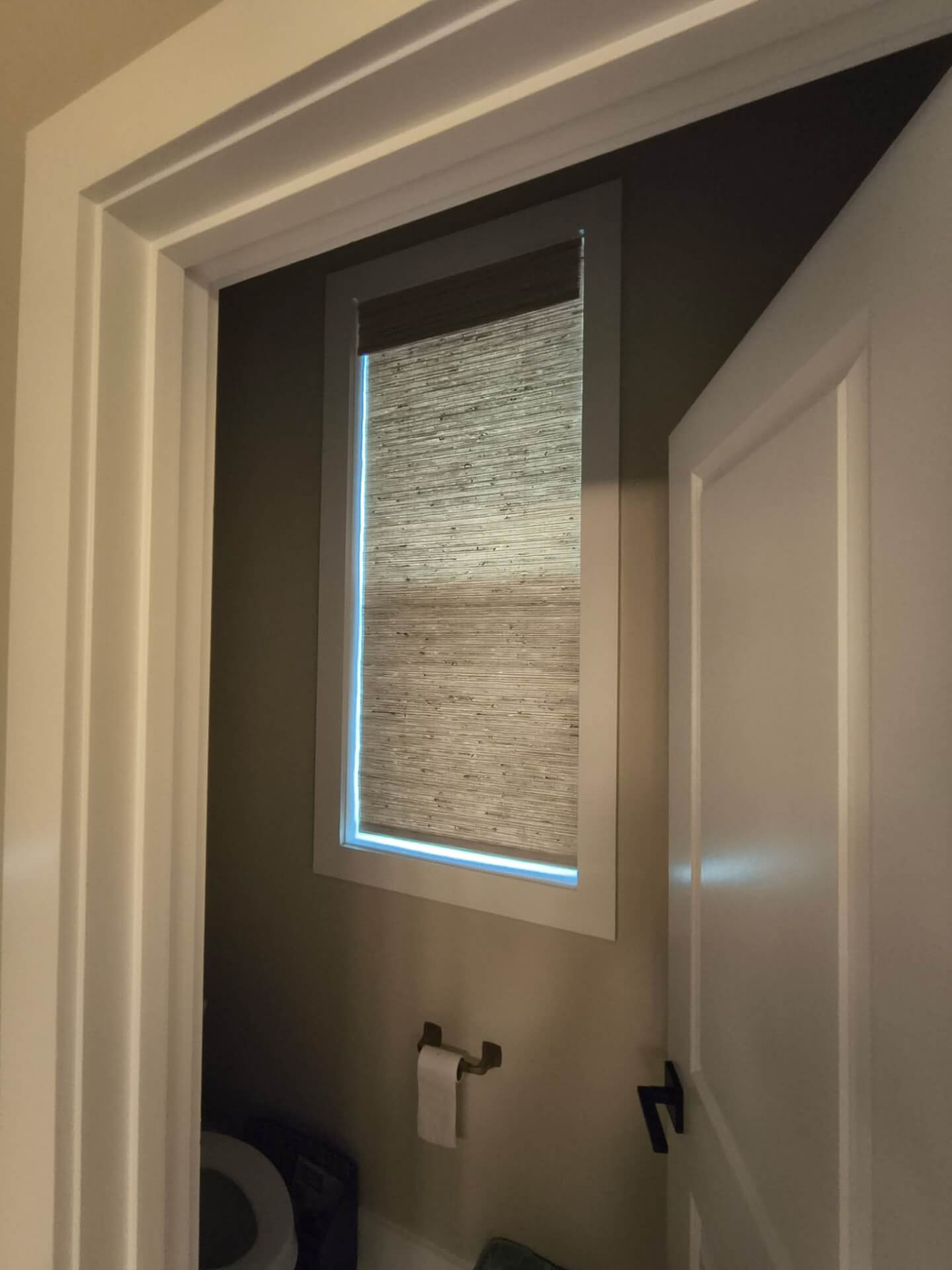
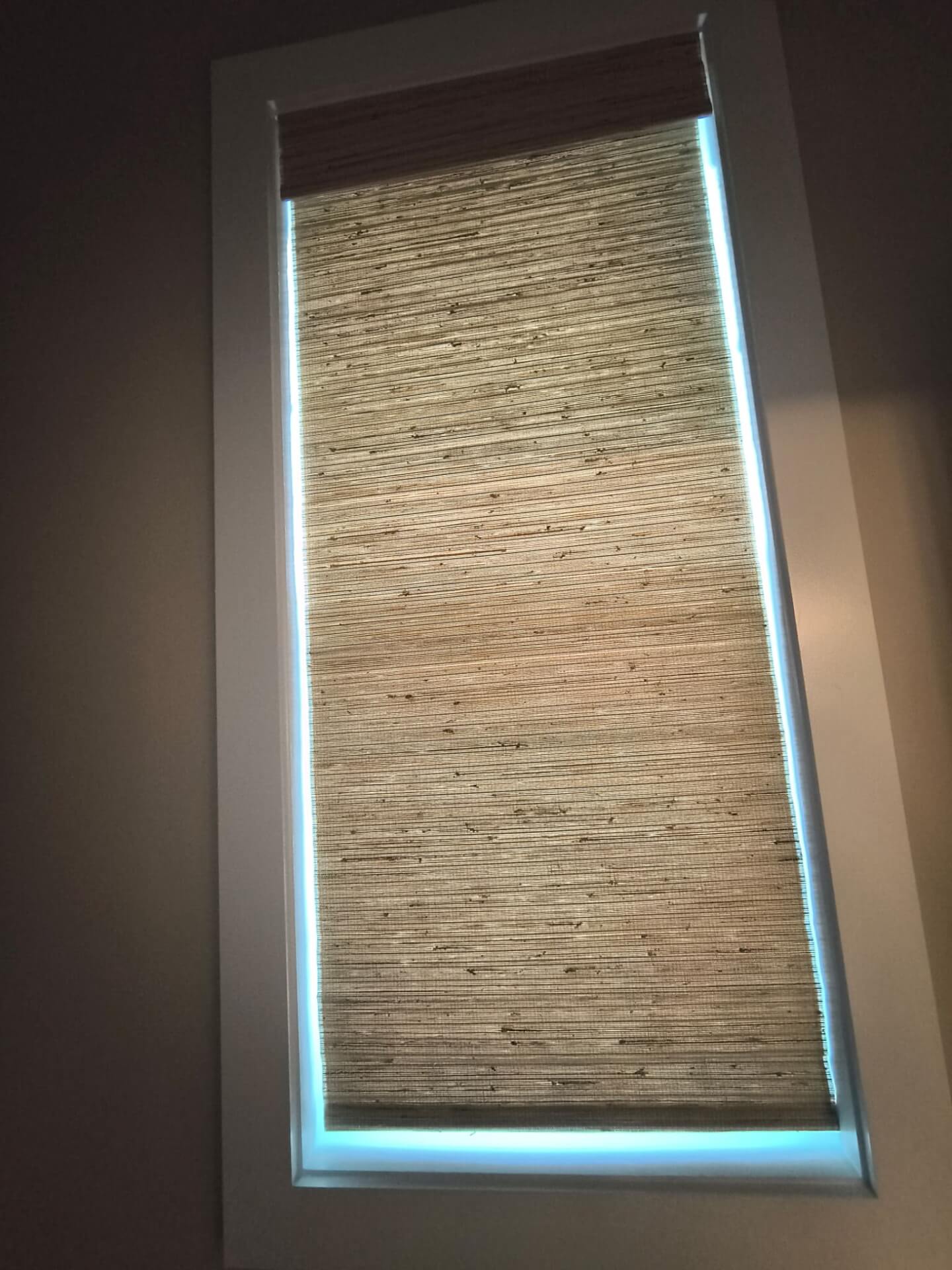
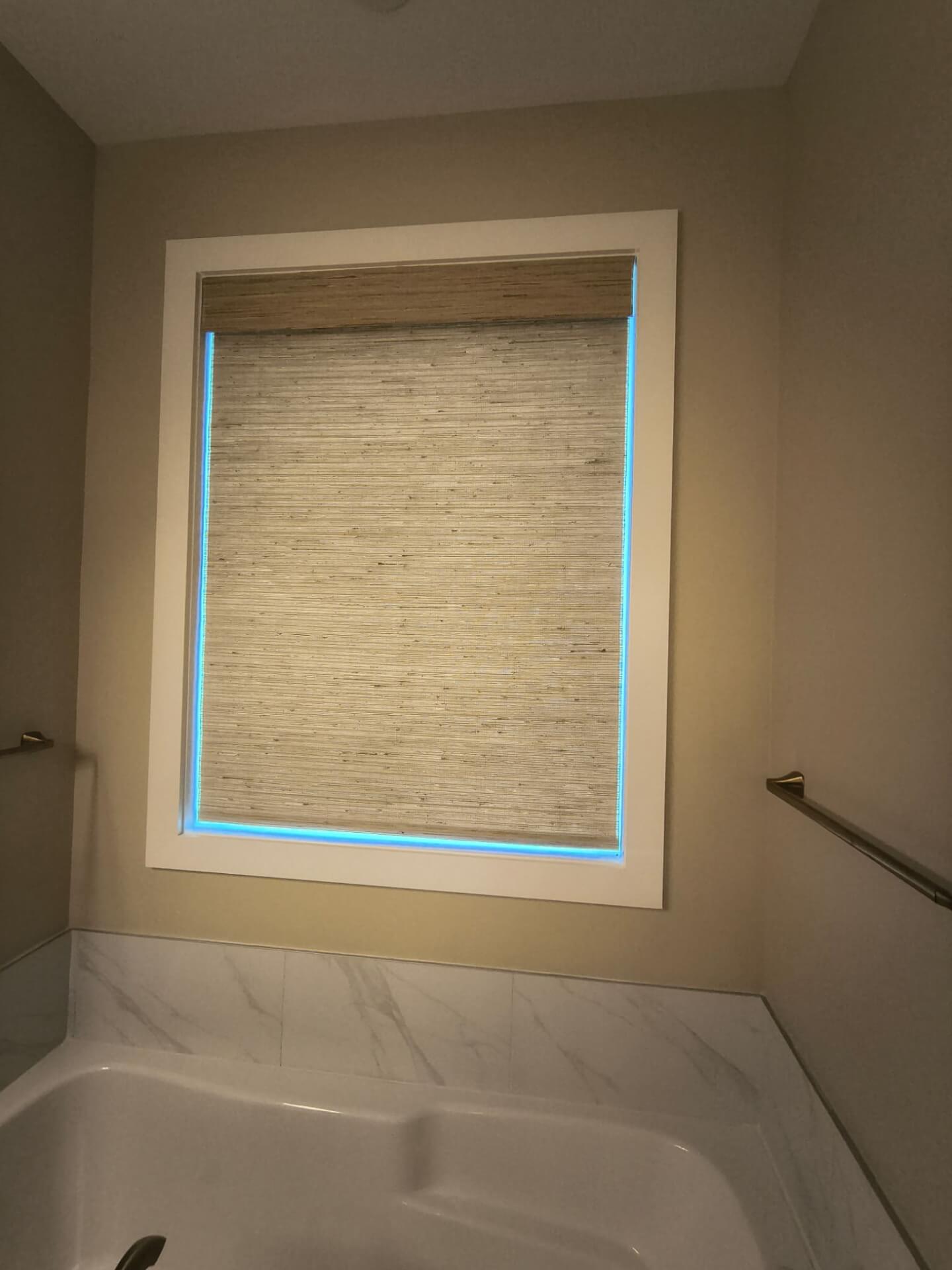
Natural materials appear in woven wood and bamboo shades. These are crafted from grasses, reeds, and wood fibers, offering texture and warmth that suit relaxed or coastal interiors. Cellular shades use engineered fabrics formed into honeycomb-shaped cells, designed specifically to trap air and improve insulation. Some shades also include liners—light-filtering, room-darkening, or blackout—to enhance privacy and light control.
Hardware materials matter as well. Headrails, rollers, and lift mechanisms are typically made from aluminum or steel to ensure smooth operation and long-term durability.
What Are the Different Types of Window Shades?
Type of Window Shade | Key Characteristics | Best Used For |
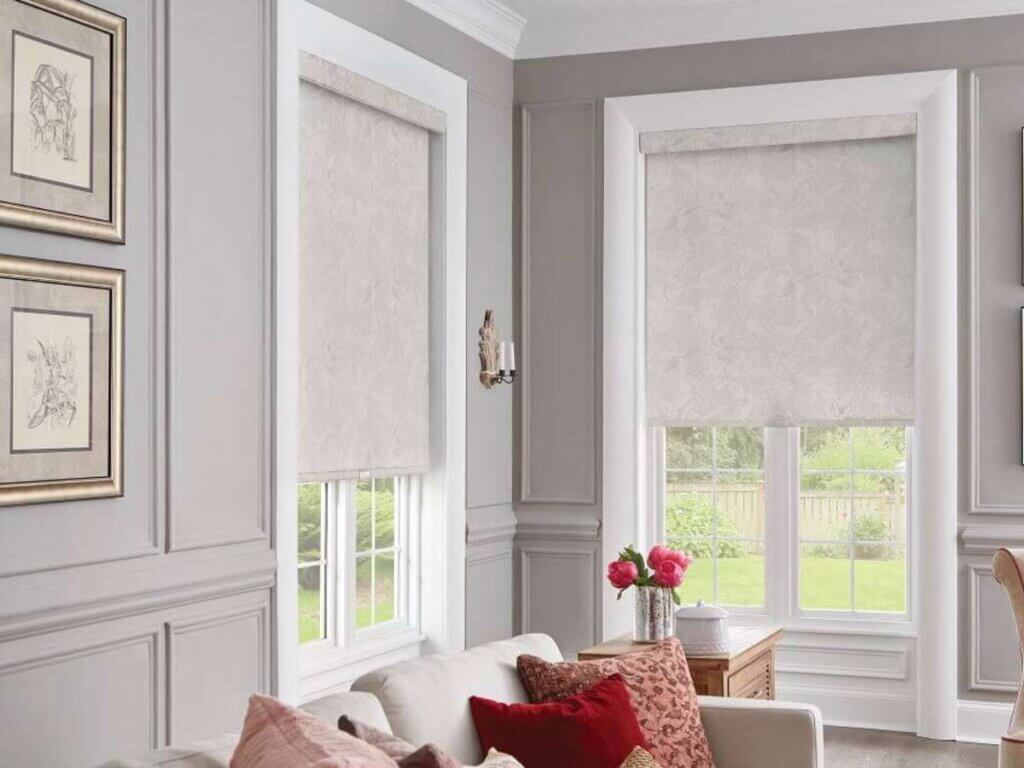
Roller Shades | Single panel of fabric that rolls into a tube; clean, minimal profile | Living rooms, kitchens, modern or coastal interiors |
Solar Shades | Screen-like fabric that reduces glare and UV while maintaining views | Large windows, sun-facing rooms, waterfront homes |
Cellular (Honeycomb) Shades | Air pockets provide insulation and sound absorption | Bedrooms, drafty windows, energy-conscious homes |
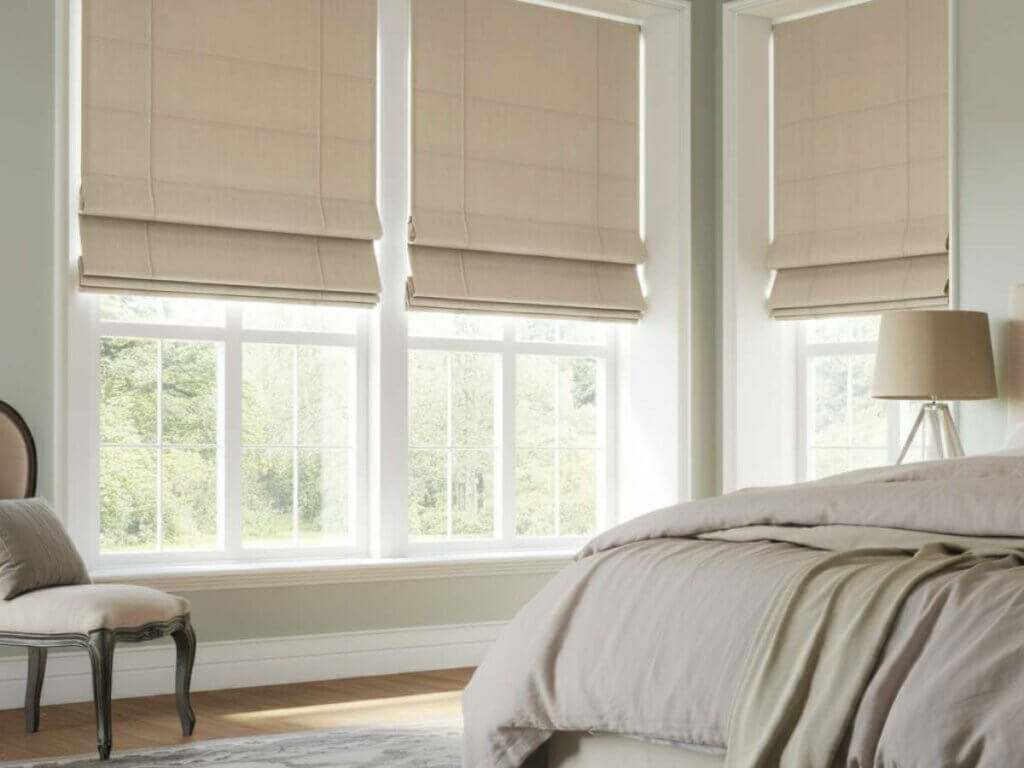
Roman Shades | Fabric folds into soft pleats when raised | Dining rooms, bedrooms, layered window designs |
Woven Wood Shades | Made from bamboo, grasses, or reeds; organic texture | Beach homes, casual or transitional spaces |
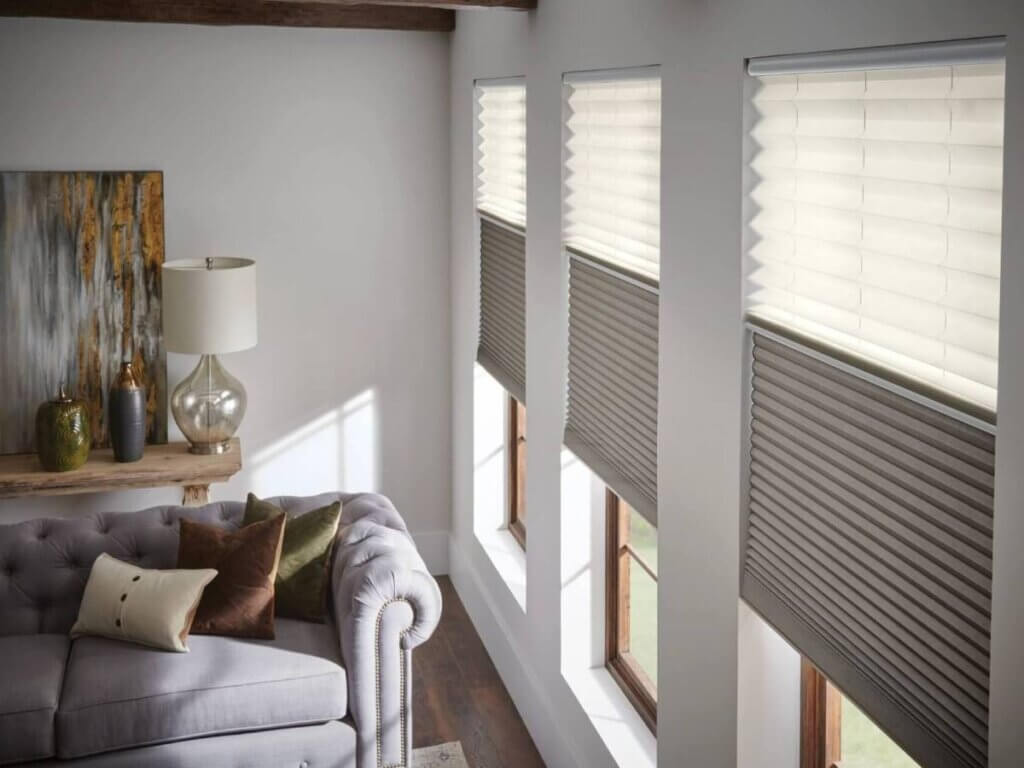
Pleated Shades | Folded fabric with a slim stack | Smaller windows, secondary rooms |
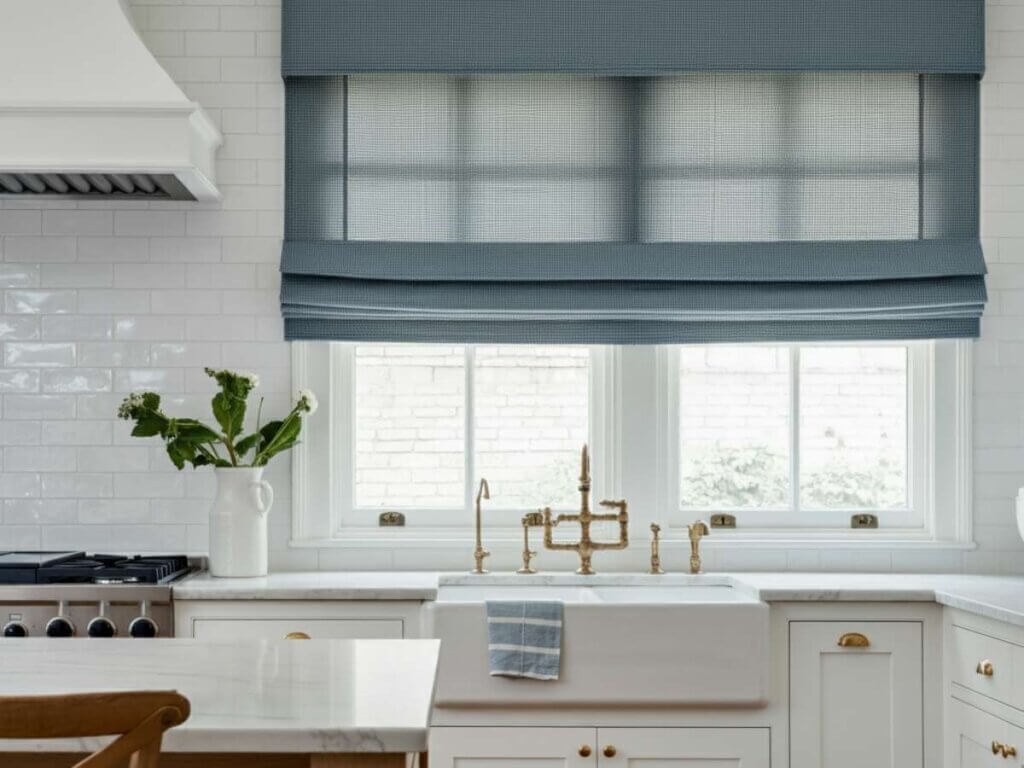
Sheer / Layered Shades | Alternating sheer and opaque bands | Rooms needing flexible light control |
Each type balances aesthetics, light control, and performance differently, which is why shades are often mixed throughout a home.
Window Shades vs. Blinds vs. Shutters: What’s the Difference?
Window shades, blinds, and shutters serve similar purposes but function in distinct ways. Shades rely on fabric to filter or block light, creating a softer, more uniform appearance. Blinds use adjustable slats, allowing precise control over light direction, but they introduce more visible lines and hardware. Shutters are solid, framed installations with louvers that become a permanent architectural feature of the home.
Shades tend to work well in spaces where simplicity, softness, or large expanses of glass are priorities. Blinds often appeal to those who want fine-tuned light adjustment, while shutters are chosen for their durability and built-in look. In coastal homes, shades are frequently favored for wide windows, sliding doors, and rooms where glare control is more important than directional light control.
What Are the Benefits of Window Shades?
Window shades provide several practical advantages in one streamlined solution:
- Soften daylight and reduce glare
- Enhance privacy with a range of opacity options
- Support indoor comfort and temperature balance
- Help protect floors and furnishings from UV exposure
- Offer cordless and motorized safety options
- Complement many interior design styles
Together, these benefits make shades a flexible choice for everyday living spaces and seasonal homes alike.
Are Window Shades Good for Privacy and Light Control?
Yes—privacy and light control are two of the main reasons homeowners choose shades. Light-filtering fabrics allow daylight to enter while obscuring direct views, making them suitable for living areas. Room-darkening and blackout fabrics offer stronger privacy and reduced light, often preferred for bedrooms and media rooms.
Some styles offer added flexibility, such as top-down operation, which allows light in from above while maintaining privacy below. Solar shades preserve outward views during the day but offer less privacy at night when interior lights are on. Selecting the right fabric opacity is essential for achieving the desired balance.
Are Window Shades Energy Efficient?
Certain shade styles can improve energy performance, particularly in homes with large windows or strong sun exposure. Cellular shades are known for their insulating properties, as their honeycomb structure traps air between the window and the room. This can help reduce heat loss in cooler months and limit heat gain during summer.
Solar and some roller shades help reduce solar heat and glare, helping interior temperatures remain more stable. In coastal environments with intense sunlight, energy-efficient shades can improve comfort and reduce strain on heating and cooling systems.
Where Do Window Shades Work Best in a Home?
Shades are effective throughout the home when matched to the space:
- Living rooms: Roller, solar, or woven wood shades
- Bedrooms: Cellular or room-darkening shades
- Kitchens and bathrooms: Moisture-resistant roller or solar fabrics
- Sunrooms: Solar shades for heat and glare control
- Sliding doors: Wide roller or panel-style systems
Homes near the beach often benefit from durable materials and fabrics that withstand strong sunlight and humidity.
How Long Do Window Shades Last?
The lifespan of window shades depends on material quality, exposure to sunlight, and frequency of use. Well-made shades can last many years with proper care. Synthetic fabrics typically maintain their appearance longer in high-sun environments, while natural materials may show gradual changes over time.
Hardware quality also plays a role. Smooth lift systems and professional installation help reduce wear and extend usability. Regular inspection and light maintenance can help identify issues before they affect performance.
Are Window Shades Easy to Clean and Maintain?
Most shades require minimal maintenance. Regular dusting or gentle vacuuming prevents buildup and keeps fabrics looking fresh. Smooth synthetic fabrics can often be wiped clean with a damp cloth, while natural woven materials usually require dry cleaning methods only.
It’s important to follow manufacturer guidelines, especially for cellular and woven shades, to avoid damaging their structure. In coastal homes, occasional checks of hardware can help address corrosion or salt exposure early.
How Much Do Window Shades Cost?
Shade pricing varies based on style, size, fabric, and operation type. Basic roller shades are often more affordable, while Roman, woven wood, and cellular shades tend to fall in a higher price range due to their construction and material choices. Motorization and custom sizing increase cost but also add convenience and performance.
When evaluating cost, it’s helpful to consider durability, energy performance, and how well the shade meets your daily needs, not just the initial price.
Are Custom Window Shades Worth It?
Custom shades are designed to fit specific window sizes and shapes, reducing light gaps and improving overall performance. They also allow access to a wider range of fabrics, opacities, and control options. This is especially valuable in homes with large windows, specialty shapes, or sliding doors.
While custom shades require a higher upfront investment, they often provide better longevity, appearance, and functionality compared to off-the-shelf options.
How Do You Choose the Right Window Shades for Your Home?
Choosing shades becomes more manageable with a clear framework:
- Identify the primary goal for each room
- Consider sun exposure and window orientation
- Select an appropriate opacity level
- Decide on cordless or motorized operation
- Balance maintenance needs with desired texture
- Align choices with your overall design and budget
This approach helps narrow options and ensures the final selection supports both comfort and style.
Bringing It All Together
Understanding window shades makes it easier to choose solutions that fit your home, lifestyle, and environment. From managing coastal sunlight to enhancing privacy and comfort, shades offer flexibility across many room types. Knowing how materials, styles, and operation methods differ allows you to make informed decisions rather than quick guesses.
If you’re exploring options for a home in Selbyville, DE, or along the Maryland and Delaware beaches, MITS Eastern Shore can help you evaluate styles and fabrics in your own space. A thoughtful consultation can turn this guide into a clear, confident plan for windows that feel comfortable, functional, and well considered year-round. Contact us for a consultation today!